
6Points Mallorca at 10: The Challenge That Became a Family
6Points Challenges is not a race. It has never wanted to be.
What it is, as it approaches its tenth anniversary, is something far more enduring. A three day circumnavigation of Mallorca that blends grit with generosity, serious climbing with serious camaraderie, and a commitment to raising funds for local causes through a model that remains refreshingly transparent.
Founded by Bryan Visser, the event was born from a simple question. How do you share everything that makes cycling in Mallorca extraordinary without turning it into another competitive showdown?
Bryan had fallen in love with the island whilst cycling its roads, from the open interior plains to the relentless gradients of the Serra de Tramuntana. He knew the magic of those routes, the way the landscape shifts within a single morning ride, the way the sea appears just when you need a lift. But he also knew that the real beauty of Mallorca cycling lies in the shared experience.
In 2017, after presenting the idea to Calvià’s Deputy Mayor for Sport, Eva Serra, the first edition rolled out. No one knew then that it would become a fixture on the island’s cycling calendar. What they did know, even after that first event, was that something different was happening. Riders were not simply chasing personal bests. They were riding together, supporting each other and raising funds for others.
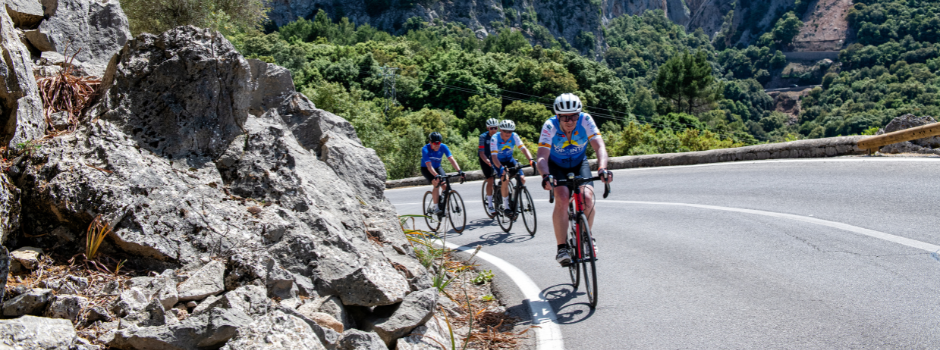
Over three days, participants ride around the whole island, staying in quality hotels and sharing evenings that are as much about storytelling and laughter as recovery and refuelling. It is demanding, deliberately so. The flagship routes now include the formidable Everesting option, widely regarded as one of the toughest organised challenges on Mallorca, alongside the equally serious Muntanas route and the slightly less punishing, but still very respectable, Valles option.
Distances stretch beyond 400 kilometres for the Muntanas riders, with thousands of metres of climbing compressed into a long weekend. Yet the structure makes it accessible. Riders choose their “Harmony” group, from fast paced Espresso to steady Cappuccino or social Latte. Each group is led by experienced captains and supported by dedicated crew vehicles stocked with nutrition, tools and encouragement.
The emphasis is not on speed, but on spirit.
That ethos is something familiar to listeners of the Majorca Mallorca podcast. Oliver Neilson, co presenter of the show, sits on the 6Points committee and has ridden multiple editions himself. He has experienced the long climbs, the quiet internal battles and the emotional finish line moments that define the event. For him, as for many returning riders, it is the combination of physical challenge and community connection that keeps drawing him back.
Charity has been central from the outset. The founders committed to what they describe as a pure charity model. No remuneration for committee members. No administrative deductions from donations. One hundred per cent of funds raised go directly to the supported causes.
Over the past decade, more than €330,000 has been raised for local organisations including Asdica, SOS Animal and Shambhala. The ambition for this anniversary year is to pass €400,000 in total donations.
That level of transparency matters. In a world where charitable fundraising can sometimes feel opaque, 6Points has built trust by keeping its model simple and accountable. Volunteers give their time freely. Riders fundraise with clarity about where their efforts are going. The result is an event that strengthens the island community as much as it tests physical endurance.
Beyond the flagship Mallorca edition, 6Points has expanded to other islands including Ibiza, Formentera, Menorca and Tenerife, carrying the same format and values across the Balearics and beyond. Monthly training rides in Mallorca now form part of the rhythm of the local cycling community, offering riders a structured way to prepare while building friendships along the way.
The digital side has grown too. Since 2019, 6Points has hosted rides on the Zwift platform, introducing tens of thousands of cyclists worldwide to the concept. For some, a virtual ride becomes the first step towards standing on a Mallorcan start line.
What keeps people returning is not simply the elevation gain or the carefully planned logistics. It is the shared hardship. The final kilometres when legs are heavy and conversation fades. The quiet nods of encouragement between riders. The collective sense of achievement when the island loop is complete.
As 6Points enters its second decade, the mission remains grounded. Grow the reach. Deepen the impact. Continue supporting Mallorcan charities in a meaningful, sustainable way. And above all, preserve the atmosphere that has defined it from the start.
It is easy to describe 6Points in numbers, kilometres ridden, metres climbed, euros raised. But those figures only tell part of the story. The real measure lies in the friendships formed, the confidence gained and the knowledge that effort on the bike can translate into tangible support for the island that hosts it.
Ten years on, what began as a love letter to cycling in Mallorca has become something larger. A challenge, yes. But also a community. And for many riders, including familiar voices from the Majorca Mallorca podcast, a family that reconvenes each year to ride, to give and to prove that endurance is stronger when it is shared.
You can listen to an interview with Bryan Visser here.

March Events in Mallorca 2026: What’s On This Month
Fira del Ram – Palma
Throughout March, until April 12
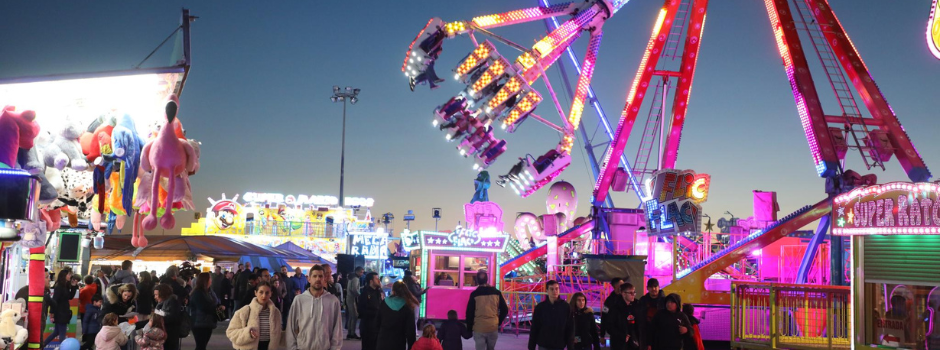
The Son Fusteret fairgrounds have once again been transformed into Mallorca’s biggest funfair, as the annual Fira del Ram returns with rides, games and traditional fairground treats.
Running from 27 February to 12 April 2026, the fair stays in Palma for over six weeks, bringing together locals and visitors for evenings filled with colour, lights and classic funfair atmosphere. Entry is free, and you pay only for the rides you choose.
With more than 170 attractions, there is something for everyone, from bumper cars and carousels to high-energy rides and the giant Ferris wheel that lights up the skyline after dark.
If you’re in Mallorca this spring, Fira del Ram is one of the island’s most popular seasonal traditions. Visit around sunset for a relaxed atmosphere, or later in the evening when the fairground is at its brightest.
Fira del Fang – Marratxí
5-15 March
The annual pottery fair continues in Sant Marçal, Marratxí until the 15th of March. Local ceramic artists exhibit and sell their work, with demonstrations and workshops taking place throughout the week. It is one of Mallorca’s best known traditional spring fairs.

Rally Clásico Isla Mallorca – Puerto Portals
5–7 March
Classic cars gather at Puerto Portals before heading out on routes across the island. This is one of Mallorca’s best-known motorsport events and spectators can see the cars at the marina. More info here
Mallorca Entrepreneurs Coffee Morning – Pueblo Español, Palma
6 March
Mallorca Entrepreneurs is holding a Coffee Morning at Pueblo Español on Friday 6 March from ten until twelve.
This relaxed networking event is designed for business owners, freelancers and newcomers who want to connect with the Mallorca Entrepreneurs community. It includes informal introductions and a chance to meet other members in a social setting.
Afterwards there is an optional members’ lunch at the restaurant.
This is a good one for people who are new to the island or looking to expand their professional network.
International Women’s Day Event – Pueblo Español, Palma
7 March
A major International Women’s Day event takes place at Pueblo Español with talks, networking and community activities focusing on women in leadership and business. One of the main International Women’s Day events this year takes place on Saturday 7 March at Pueblo Español. The event is called “Entre Nosotras – Leadership & Influence” and runs roughly from midday into the evening.
It focuses on women in leadership, creativity and business, with talks, networking and community activities.
Galatzó Trail – Es Capdellà
8 March
One of Mallorca’s best-known mountain races takes place in the Tramuntana near Es Capdellà, with several distances through some of the island’s most dramatic landscapes.
Dragon Gold Cup, Puerto Portals
Sat 14 Mar to Sat 21 Mar
International Dragon class sailing event hosted at Puerto Portals.
Fira Bona – Palmanyola
14 March
A traditional village fair with market stalls, food and local products takes place in Palmanyola.
St Patrick’s Day – Island Wide
17 March
St Patrick’s Day is widely celebrated across Mallorca, particularly in Santa Ponsa and Palma, with Irish music and themed events in many bars and restaurants.
Trofeo Princesa Sofía Sailing Regatta – Palma Bay
27 March - 4 April
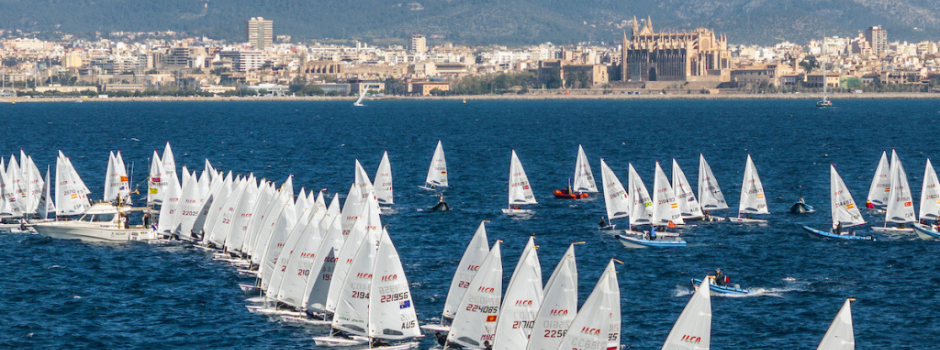
One of the biggest sailing events in Europe takes place in Palma Bay with Olympic-level sailors competing in multiple classes. The regatta marks the start of the international sailing season.
So whether you're interested in traditional fairs, international sport or community events, there’s plenty happening across Mallorca throughout March.
New Border Systems Explained: EES, ETIAS and the UK ETA
The Entry-Exit System in Spain
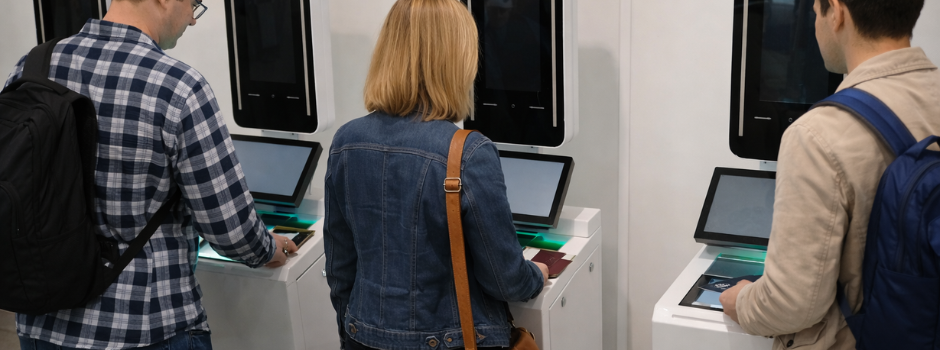
If you have travelled through Palma Airport recently, you may have noticed the new passport kiosks and extra staff directing passengers into unfamiliar queues. These changes are part of a wider shift in how Europe manages its borders. New digital systems are being introduced across the Schengen area, alongside similar changes in the UK, and the result is a lot of confusion.
In a recent Majorca Mallorca podcast episode, Oliver spoke with Nick Brown, a regular contributor to the Majorca Mallorca community, to clarify what is changing and what travellers really need to know.
Here is a practical guide to the new systems and what they mean for visitors and residents.
What is EES?
The Entry Exit System, usually called EES, is the new electronic system for recording arrivals and departures in the Schengen area.
Instead of passport stamps, travellers from non-EU countries will be recorded digitally. This includes British visitors, Americans, Canadians and other non-EU nationals who travel without visas.
The first time you use the system you will normally:
-
Scan your passport at a kiosk
-
Have your photograph taken
-
Provide fingerprints
-
Confirm your identity at an e-gate or with an officer
After your first visit the process should be quicker, as your biometric information will already be on record.
The system will automatically track how long you stay in the Schengen area.
The 90 Days in 180 Rule
One of the biggest misunderstandings involves the Schengen rule that allows visitors to stay 90 days in any 180-day period.
There is no reset date and no fixed six-month block. The rule works on a rolling basis.
The key question is simple:
Today, have you been in Schengen for more than 90 of the last 180 days?
If the answer is yes, you must leave.
This rule affects people with second homes most often. Typical holidaymakers rarely come close to the limit.
Why the New System Exists
The EES system replaces the old passport stamping process, which depended on border officers manually checking dates.
In practice, stamps were rarely counted in detail. The new system will automatically calculate time spent in Schengen and identify overstays.
It also records biometric information such as photographs and fingerprints to confirm identity.
This approach is already standard in countries such as the United States.
Expect Longer Queues at First
While the long-term goal is faster processing, the early stages may be slower, especially at busy regional airports like Palma.
First-time registration takes longer and families with children may need assistance from staff rather than using kiosks.
Travellers should allow extra time both on arrival and departure.
Practical tips include:
-
Do not assume passport control will be quick
-
Allow extra time before flights
-
Avoid booking tight airport transfers
-
Have a backup transport plan if delays occur
If you arrive early, you can always wait. If you arrive late, you may miss your flight.
ETIAS Is Coming Later
A separate system called ETIAS will be introduced in the future.
ETIAS is not a visa. It is an electronic travel authorisation that must be completed online before travelling.
It will apply to travellers who currently enter the Schengen area without a visa, including UK visitors.
The authorisation is expected to:
-
Cost around €20
-
Be valid for three years
-
Be linked to your passport
-
Be completed online before travel
ETIAS is not required yet, and travellers do not need to apply now.
However, scam websites already exist offering fake ETIAS applications, so it is important to wait for the official launch.
UK ETA Rules
The United Kingdom has introduced a similar system called ETA, Electronic Travel Authorisation.
Non-UK citizens who do not require visas must apply online before travelling to the UK.
This system is already active and costs £16.
Like ETIAS, the ETA allows you to travel to the UK but does not guarantee entry.
Entry decisions are still made by border officers.
Dual Nationals and Confusion
One complicated issue affects people who hold both British and Spanish nationality.
British citizens cannot obtain a UK ETA because they already have the right to enter the UK. However, airlines may require proof that travellers do not need an ETA.
This can create confusion for dual nationals travelling on non-UK passports.
In many cases, travellers may be asked to show a British passport to confirm their status. Airlines may allow travel with an expired British passport if identity details match, but policies vary.
This is an evolving situation and official guidance may change.
Overstays and Penalties
The new digital systems make it easier to detect overstays.
If you stay beyond the permitted period, the consequences depend on the circumstances.
Minor overstays may result in a warning or small fine.
More serious overstays can lead to:
-
Larger fines
-
Entry bans
-
Difficulties travelling in the future
Any ban normally applies to the entire Schengen area, not just one country.
What Travellers Should Do
For most visitors the new systems will simply mean a few extra steps at the airport.
The most important things to remember are:
-
Track your days if you stay frequently
-
Allow extra airport time
-
Do not rely on passport stamps
-
Ignore ETIAS websites until the system launches
-
Apply for a UK ETA if required
Most travellers will pass through the system without difficulty.
The main change is that time in Schengen will now be tracked electronically rather than relying on stamps and guesswork.
The Bottom Line for Visitors
Europe and the UK are moving toward digital border control systems that record travel more accurately than before.
The transition period may bring some delays and confusion, especially at busy airports like Palma, but the long-term goal is more consistent and predictable border control.
For travellers, preparation and realistic expectations will make the biggest difference.
Understanding how the systems work is the best way to avoid problems and travel with confidence.
What About Residents With a TIE?
Many Mallorca residents hold a non-EU passport but have Spanish residency, usually in the form of a TIE card. This includes many British residents.
For these travellers, the situation is different from visitors.
If you hold a valid Spanish residency card (TIE):
-
Your time in Spain does not count towards the 90 days in 180 rule
-
You are allowed to live in Spain full time
-
You do not need to worry about overstaying in Spain
-
You usually do not need to use the EES kiosks
Instead, you normally present:
-
Your passport
-
Your TIE residency card
This shows that you are legally resident and not visiting as a tourist.
However, there are still some important details to understand.
Travel Outside Spain Still Counts
While time spent in Spain does not count towards Schengen limits, time spent in other Schengen countries does.
For example:
-
A British resident in Mallorca can live in Spain year-round
-
But can only spend 90 days in 180 in France, Italy or Germany
This rule surprises many residents.
You May Still Be Directed to the "All Passports" Queue
Even with residency, travellers with non-EU passports usually cannot use the EU passport lanes.
Instead they normally use:
-
All Passports lanes
-
Resident lanes where available
In practice, staff may direct residents differently depending on the airport and the day.
Always Travel With Your TIE
Your residency card is essential when travelling.
Without it:
-
You may be treated as a tourist
-
Your stay may be counted incorrectly
-
You may be questioned about overstaying
Many experienced residents say the safest approach is simple:
Always carry both your passport and your TIE when travelling.
The Bottom Line for Residents
If you are a legal resident with a TIE:
-
The new systems should not change your residency rights
-
You can still live in Spain without time limits
-
The main requirement is simply proving your residency at the border
For most residents, the biggest change will simply be allowing extra time at the airport rather than any change in legal status.
Thanks to Nick for his time explaining all the ins and outs of the system, and how it will affect travellers. Nick has a Facebook group which is dedicated to transport questions in Mallorca, you can visit it here.
LISTEN HERE "EES, ETIAS and UK ETA, what changes at Palma Airport, and what travellers need to do"
Nick is retired and volunteers his time to help others. If anyone would like to support a charity on his behalf he asks that a donation be made to Es Tardor, the food bank in Palma. You can either make a bank transfer to EsTardor on their IBAN ES07 0133 0149 6441 0000 2865 or by Paypal to tardorcomedor@gmail.com.
You can see more about the charity here.
Mallorca’s Winter Traditions, What to do and see in January
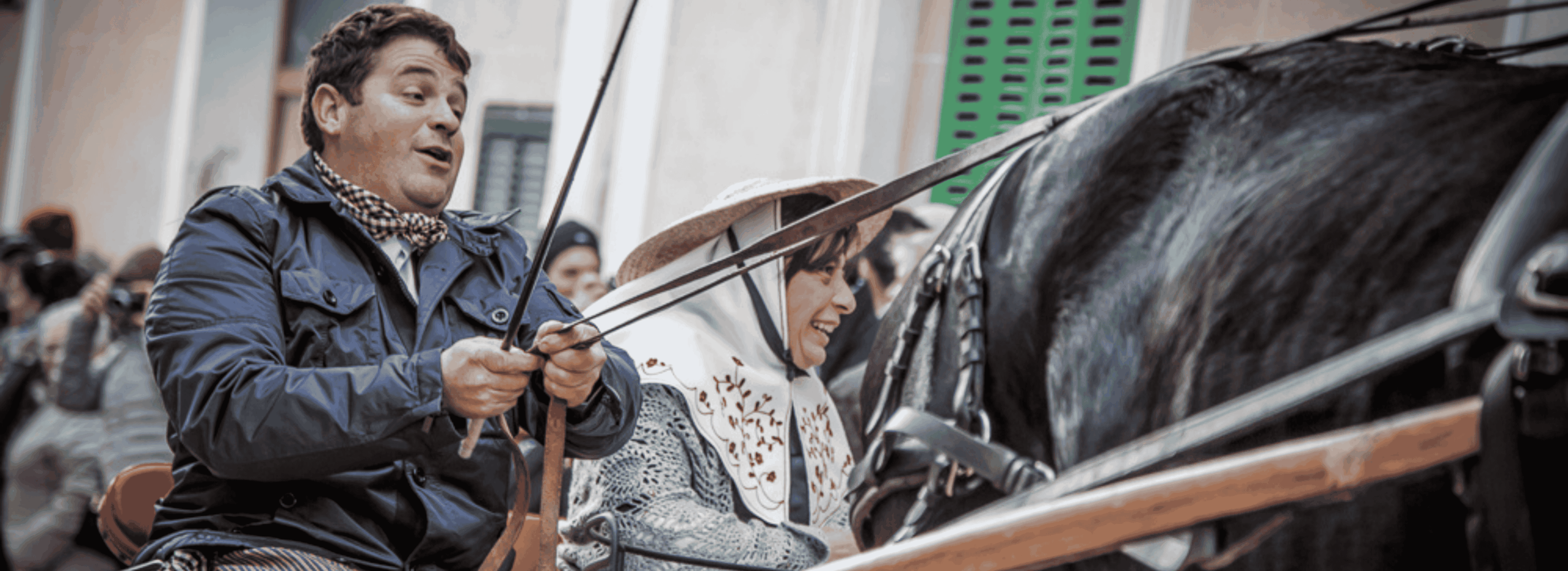
As the celebrations of the Three Kings fade into memory, Mallorca quickly turns its attention to another deeply rooted winter tradition, the festival of Sant Antoni, celebrated on the 16th and 17th of January. Dedicated to Saint Anthony the Abbot, the patron saint of animals, these festivities blend fire, folklore and rural identity.
Sant Antoni Fiestas
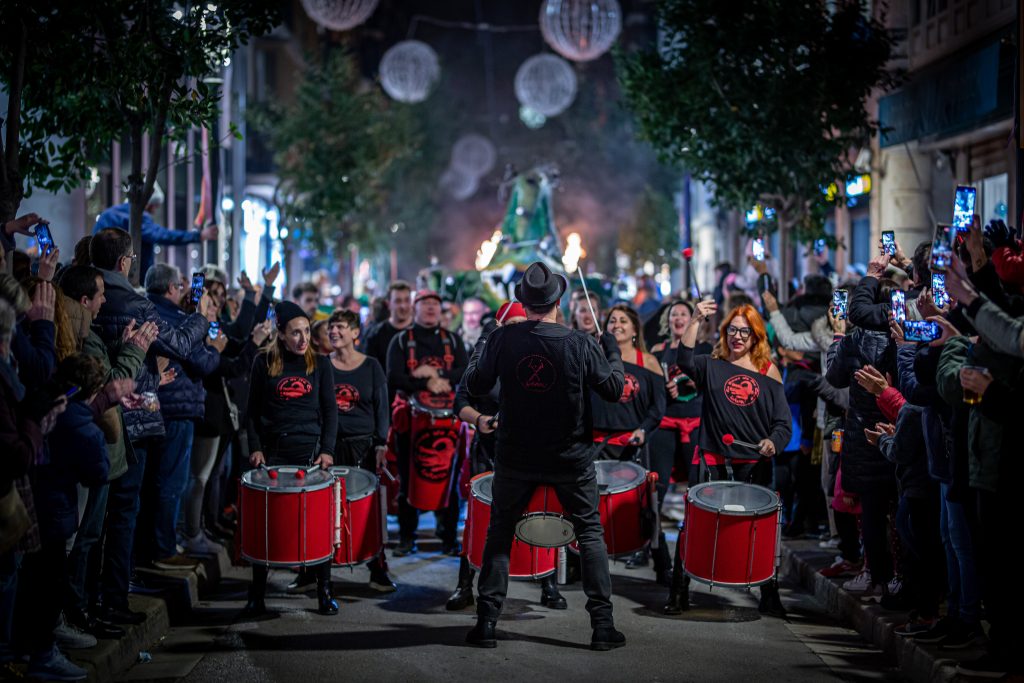
Sant Antoni is split into two very different days. The evening of the 16th, known as the Revetlla, is the most intense. Town squares fill with large bonfires, or foguerons, around which locals grill sausages such as sobrasada and botifarró. Dimonis, demon figures, dance through the streets amid drums, fire and fireworks in dramatic correfocs.
The following day has a calmer, communal feel. Animal blessings, known as beneïdes, take place across the island, with residents bringing pets, horses and farm animals to be blessed by local priests.
Several towns are particularly known for their Sant Antoni celebrations. Sa Pobla is considered the spiritual heart of the festival, famous for its music and demon dances. Manacor is known for its sheer scale, with bonfires throughout the town. Artà retains a particularly traditional atmosphere, while Pollença hosts one of Mallorca’s most striking rituals.
Pollença's Pi!
In Pollença, Sant Antoni is defined by the Pujada al Pi, or pine climb, held on the 17th of January. This dramatic event centres on a towering pine tree, up to 24 metres high, which is felled, stripped and hauled into the town square entirely by hand.
The origins of the ritual are unclear but are believed to predate written records, drawing on pagan fertility rites later absorbed into Christian symbolism. The pine represents strength, endurance and the bond between the town and its surrounding landscape.
Once erected in the Plaça Vella, the trunk is coated in soap and oil, making it extremely slippery. In the evening, participants attempt to climb it without harnesses or safety equipment, often forming human pyramids to help one another. The first person to reach the top claims a symbolic prize, once a live rooster and now usually a wooden one. It remains one of the island’s rawest traditions, notable for its lack of modern safety constraints and its powerful communal spirit. If you want to see it, arrive early, as the small square fills quickly.
Sant Sebastiá in Palma
Later in January, Palma celebrates its patron saint, Sant Sebastià, in the city’s largest annual festival. The origins of the celebration lie in a plague outbreak in the early sixteenth century. According to legend, a relic of Saint Sebastian arrived in Palma in 1523. Attempts to remove it were thwarted by violent storms, but once installed in the cathedral, the plague subsided, and the saint was declared Palma’s protector.
The festival also includes the legend of Na Coca, a crocodile mistaken for a dragon that supposedly terrorised the city. Today, a fire-breathing mechanical version leads parades and lights ceremonial bonfires.
Modern celebrations stretch across two weeks in mid to late January. Bonfires and communal barbecues fill the city, live music takes over the squares, and the Revetlla de Sant Sebastià on the 19th of January transforms Palma into one vast street party. Recent additions include Dia de la Pesta, with theatrical reenactments and gothic performances telling the story of the plague and the saint’s arrival.
Events begin on January 11th with children’s activities in Plaza de Cort and the Drac de Na Coca performance. January 12th sees Sant Sebastià Petit in Parc de Sa Riera. Free concerts run throughout the period, with major nights on the 17th, 18th and 19th across Palma’s main squares.
The celebrations continue with barbecues, bonfires, the Diada Ciclista, the Ciutat de Palma awards, the Trobada de Gegants, kite flying in Parc de la Mar, and finally a dramatic correfoc in Plaza de la Reina on January 26th, closing Mallorca’s winter festivities in a blaze of fire and tradition.
Cycling season kicks off
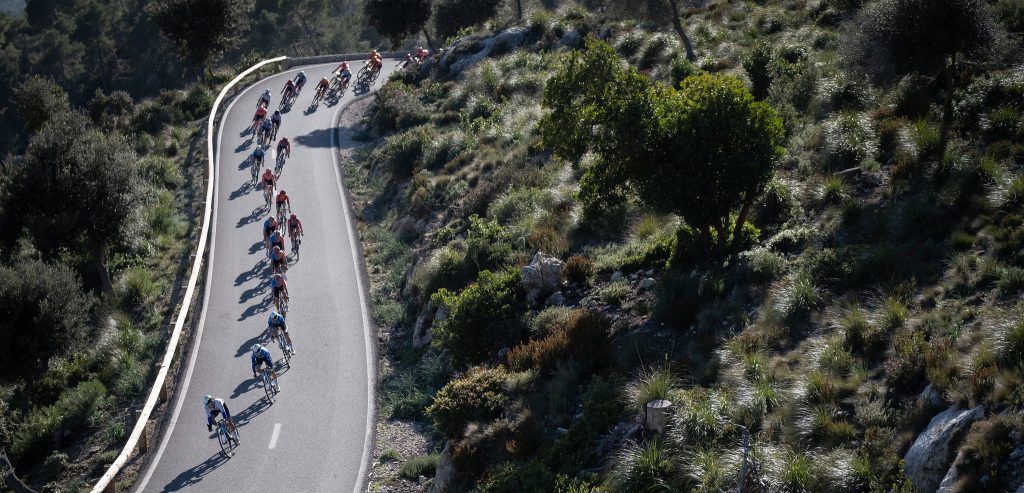
Cycling season starts with the first professional races of the 2026 season on the island's highways and byways,
3rd running of the Challenge Mallorca Femenina 24-26 January
Trofeo Marratxi - Felanitx 24 Jan
Trofeo Llucmajor - 25 Jan
Trofeo Binissalem- Port d'Andratx -- 26 Jan
Click here for details of the days racing, the teams, and the road closures.
..... and the chaps, 35th running of the Challenge Mallorca 28th Jan - 1st February.
Trofeo Calvia - 28 Jan
Trofeo Se Salines - Sant Jordi - 29 Jan
Trofeo Selva - Lluc - 30 Jan
Trofeo Andratx - Pollenca - 31 Jan
Trofeo Mallorca Fashion outlet - Paseo Palma - 1Feb
Click here for details of the days racing, the teams, and the road closures.
Copa de Reis - Port Pollença January 11th
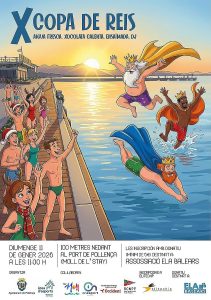
A fun, brief swim in the nippy waters of Port Pollenca. Starts at 11, its a fiver donation to local charity ELA Baleares association, and finish with a hot chocolate and an ensaimada courtesy of the local residents association.
To register your place, click here.
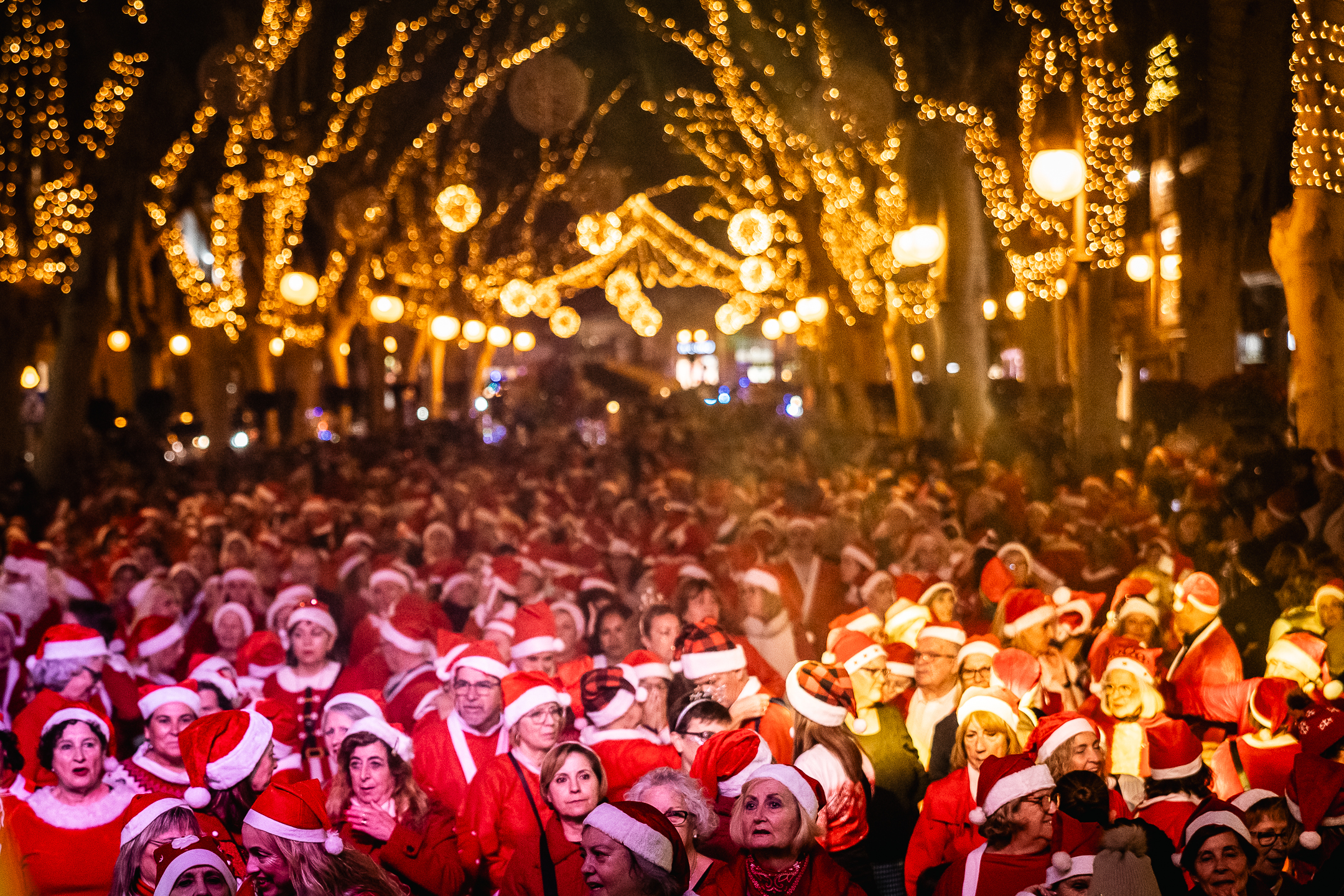
Mallorca Christmas Markets 2025, your guide to festive events across the island
Mallorca Christmas Markets 2025, the full guide to festive events
In this article: If you are spending Christmas in Mallorca, this guide aims to give you everything you need in one place. It covers all the major Christmas markets across the island, the key dates for festive events, the most important cultural traditions, the best nativity scenes to visit, and a selection of local community celebrations. You will also find some thoughtful Christmas gift ideas at the end that will suits anyone. Use this guide to plan your December with confidence and make sure you do not miss any of the highlights.
Mallorca Christmas markets 2025 bring colour, music, light, and tradition to every corner of the island. From Palma’s grand programme, Nadal a Palma, to intimate village fairs, December is filled with artisan stalls, concerts, nativity scenes, family activities, and community celebrations. This guide brings you all the key dates, locations, and highlights so you can plan your festive season with ease.
Throughout December 2025, Palma’s Christmas markets fill the streets with artisan stalls, decorations, and seasonal treats. The festive season officially begins on 21st November when Nadal a Palma opens. This city wide programme brings more than three hundred activities across Palma, including concerts, workshops, belén routes, children’s events, theatre, and community shows. It runs until 6th January.
You can read more about Palma on our site here
Christmas markets across Mallorca
The Parc de sa Feixina Christmas Market in Palma begins on 28th November and continues until 6th January, with more than sixty chalets, an ice rink, a toboggan run, and evening entertainment.
The Palma City Christmas Market spreads across Plaza Mayor, La Rambla, Via Roma, and Parc de les Estacions from 23rd November until 7th January.
One of the very popular Christmas experiences is the Pueblo Español Christmas Market, opening on 5th December and continuing until 4th January. Expect wooden huts, festive food, live music, and visits from Santa and the Three Kings. You can buy your tickets in advance here.
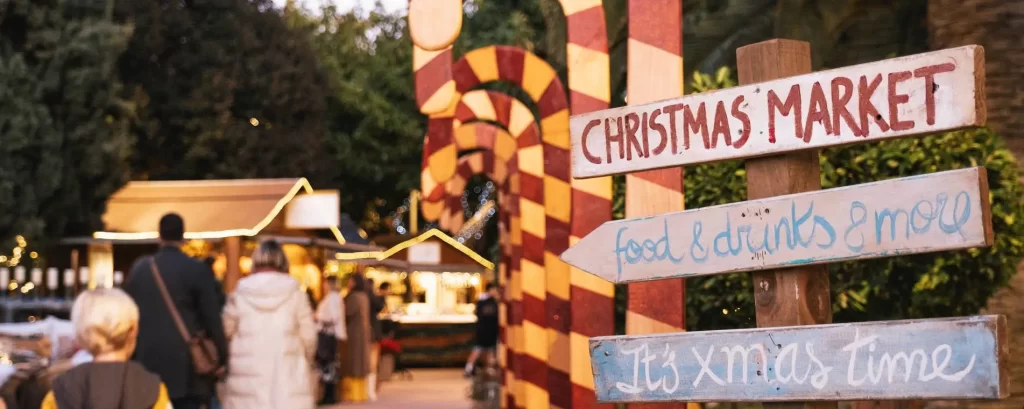
From 11th December to 6th January, Puerto Portals hosts its premium Christmas Market with high quality stalls, gastronomy, and family friendly attractions.
Across the island you will find smaller markets throughout December. These include:
• Alaró on the 6th and 7th
• Sa Pobla on the 5th
• Selva on the 13th
• Santa Ponsa on the 7th
• Consell on the 13th
Concerts, traditions, and cultural highlights
On 13th December the Swedish School Choir performs the Festivity of Santa Lucia in Palma Cathedral.
Christmas Eve brings the Matines service and the Canto de la Sibilia, one of Mallorca’s most cherished rituals. It takes place at Palma Cathedral at eleven at night and at the Sanctuary of Lluc at seven in the evening.
On 26th December the Canto de la Sibilia is also performed at Santa Eulàlia Church in Palma.
New Year’s Eve marks the Festa de l’Estendard in the centre of Palma, honouring the conquest by King Jaume the First in 1229.
Nativity scenes in Palma
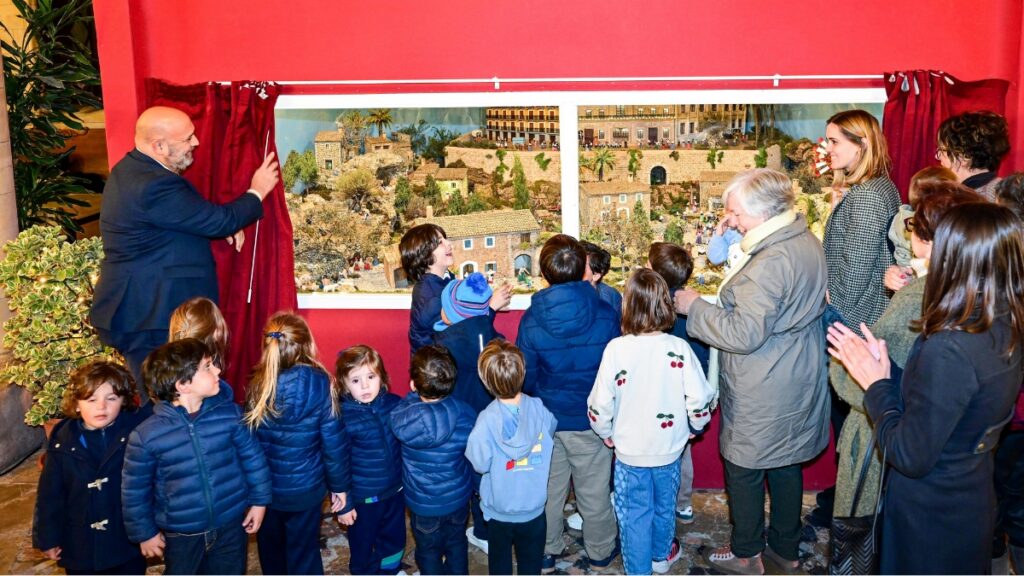
A major attraction every year is the Belén de Cort at the Ajuntament de Palma. It runs from 21st November to 5th January, with extended opening times through the festive season.
Other nativity displays across the city include:
• Belén de la Misericòrdia
• Belén del Consell de Mallorca
• Belén de Sant Antoniet
• Belén at Santa Catalina Market
• Dioramas Navideños exhibition
• The extensive collection at the Centro de Historia Militar, featuring more than one thousand two hundred scenes from around the world
All of these form part of Nadal a Palma, which continues until 6th January.
Community events
The Gap Community Cafe in PalmaNova hosts a Christmas Quiz on 18th December for teams of up to five people.
On 21st December, Med 54 in El Toro hosts a Christmas Quiz at three in the afternoon. The fifteen euro ticket includes a homemade meal, quiz entry, raffle tickets, and mince pies.
On 19th December Es Capdellà holds its annual Carols event at Sa Vinya from half past six, a long standing local tradition.
Where to eat Christmas lunch in Mallorca
The early bird catches the worm so some places will already be booked out entirely, but we can highly recommend the following restaurants:
Merchants Bar and Grill in Palma will have a special Christmas Eve and Christmas Day menu available.
Also, check out https://oceanamallorca.com/ in PalmaNova, who may still have availability.
Another option could be to visit a hotel for the day. Look at the Hotel Son Castillo in Son Vida for example.
Where to celebrate New Year's Eve in Mallorca
Merchants, again, a great choice!
Groenk in Fornalutx will be hosting a great party.
Christmas Gift Ideas
Mallorca Food Tours Gift Voucher
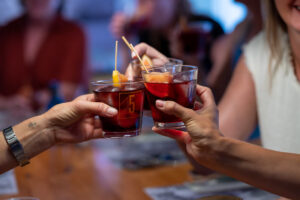
A Food Tours Mallorca experience is one of the coolest gifts you can give because it turns a day out into a real adventure, the kind that blends great food, local discovery, and the joy of wandering through Palma’s most atmospheric neighbourhoods. Instead of choosing a single restaurant, the tour lets you taste your way through several carefully selected spots, each one offering something different, with all the planning already taken care of. It is relaxed, fun, and ideal for anyone who loves trying new flavours or exploring a place through its food. You can also buy a gift certificate, which makes it a perfect Christmas present for someone who prefers experiences over things. It is thoughtful without being complicated, and gives your loved one something to look forward to in the new year. AND you get a 10% discount with our code MM10 at checkout.
Head over to their website here and don't forget to use the code MM10.
Paysage Miró — Across Palma
A major cultural moment for Mallorca
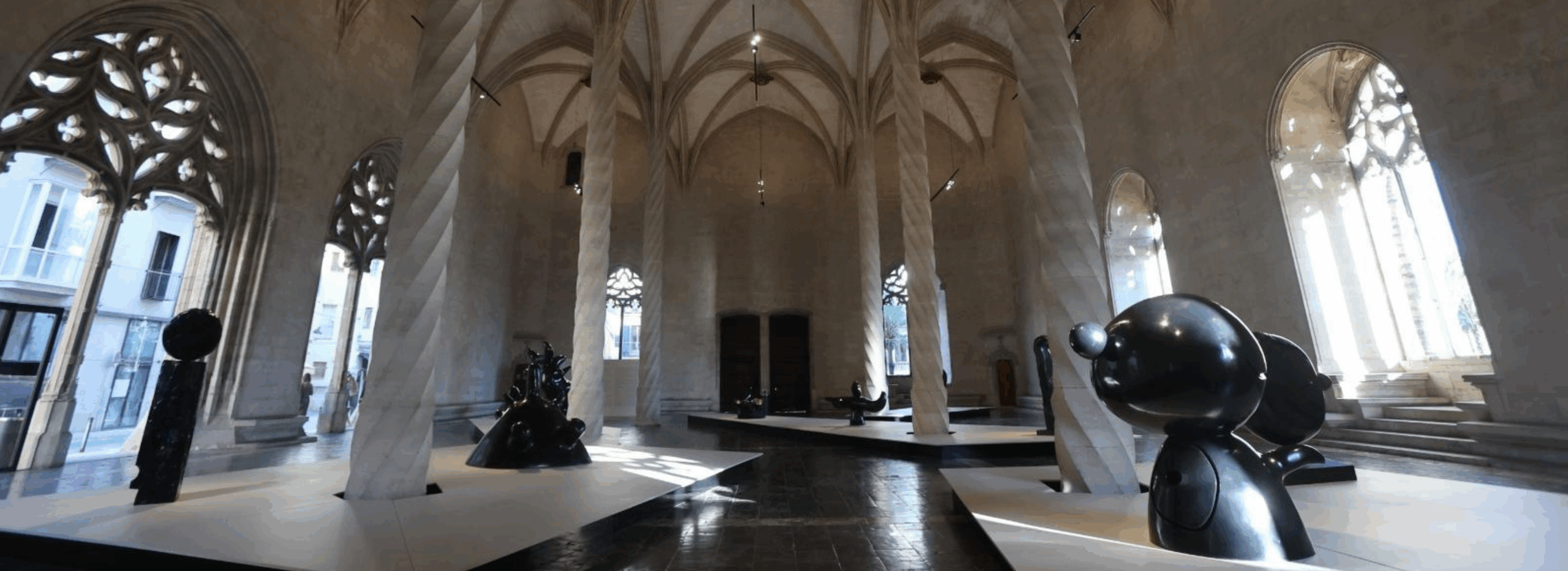
This year Palma has hosted Paysage Miró, a remarkable city-wide exhibition celebrating the visual universe of Joan Miró. Four of the city’s key cultural spaces are participating, each exploring a different facet of his work, ideas and lifelong dialogue with the landscape of Mallorca.
Joan Miró (1893–1983) was one of the defining artists of the 20th century. Although born in Barcelona, Mallorca became his lifelong source of inspiration. His mother was Mallorcan, and in 1956 he settled permanently in Palma, building his studio overlooking the sea.
The island’s light, landscape and rhythms shaped his later work. Miró described Mallorca as “a truly fertile land” — a place where he could work freely, close to nature and memory. The Fundació Miró Mallorca still preserves his studio and more than 6,000 pieces, a reminder that his most imaginative years were created here.
The project includes more than six decades of painting, sculpture, personal objects and archival material, drawn from some of the most important collections in Spain. Rather than being contained in one gallery, the exhibition unfolds across the city, inviting visitors to wander, pause and experience Miró as part of Palma’s architectural and natural surroundings.
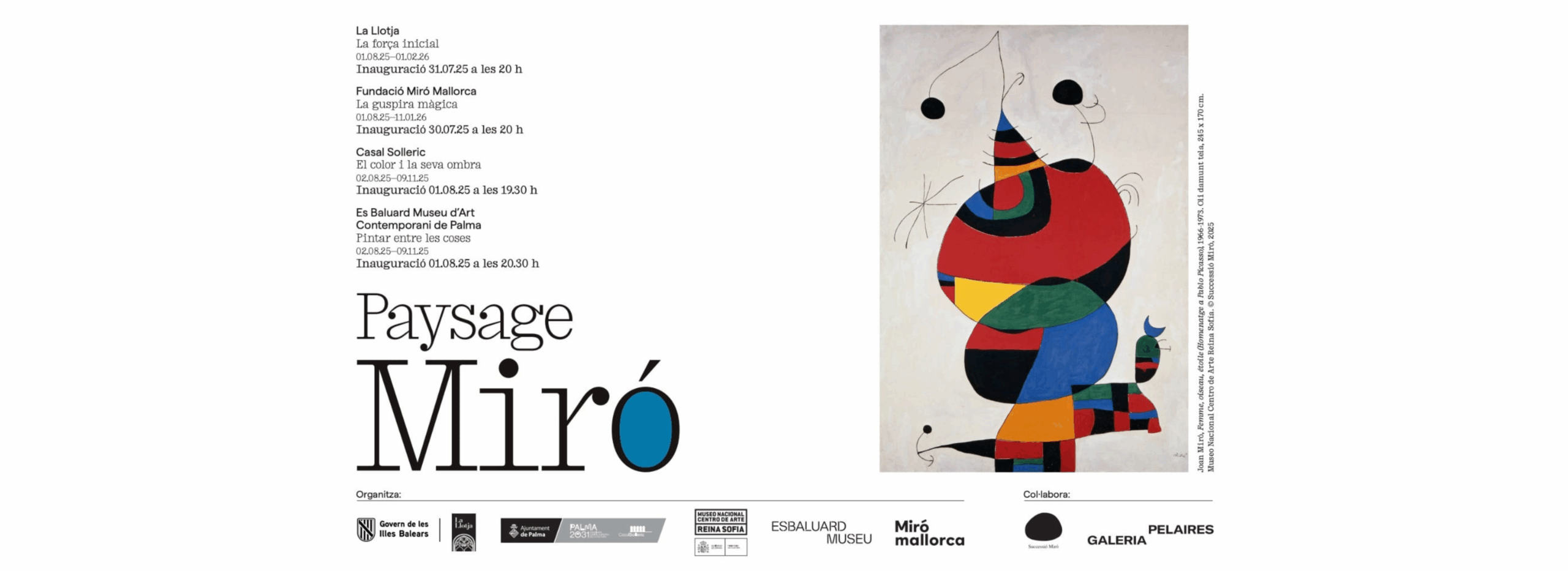 Venues:
• Llotja de Palma
• Fundació Miró Mallorca
• Es Baluard Museu
• Casal Solleric
Dates:
1 August 2025 – 9 November 2025
(With La força inicial at La Llotja continuing until February 2026)
Some spaces are free to enter; others are ticketed with reduced and resident rates.
Highlights
La força inicial — Llotja de Palma
Bronze sculptures installed beneath the soaring gothic vaults of the Llotja. Works such as Oiseau lunaire and Maternité feel almost mythic in this setting.
Llotja de Palma, Plaça de la Llotja, 5
1 August 2025 – 1 February 2026
Tuesday to Sunday: 10:30–13:30 & 16:00–21:00
Free entry
La guspira màgica — Fundació Miró Mallorca
A more intimate journey into Miró’s creative mind, including personal objects and works by his friends and contemporaries.
Reduced entry and free days available.
Pintar entre les coses — Es Baluard Museu
A look at Miró’s experimental approach to painting, gesture and material.
Pay-What-You-Wish Fridays and cycling discounts apply.
El color i la seva ombra — Casal Solleric
An exploration of the shifting dialogue between painting and sculpture throughout Miró’s career.
Free entry.
Mallorca Entrepreneurs: Building a Supportive International Business Community
 When people move to Mallorca, many arrive with dreams of sun, sea, a slower pace and the promise of a different kind of life. What often comes as a surprise is the reality of working here. Salaries are low, jobs can be seasonal, and many of the most dynamic careers on the island are created, not found. Entrepreneurship is not simply common; for many, it becomes essential.
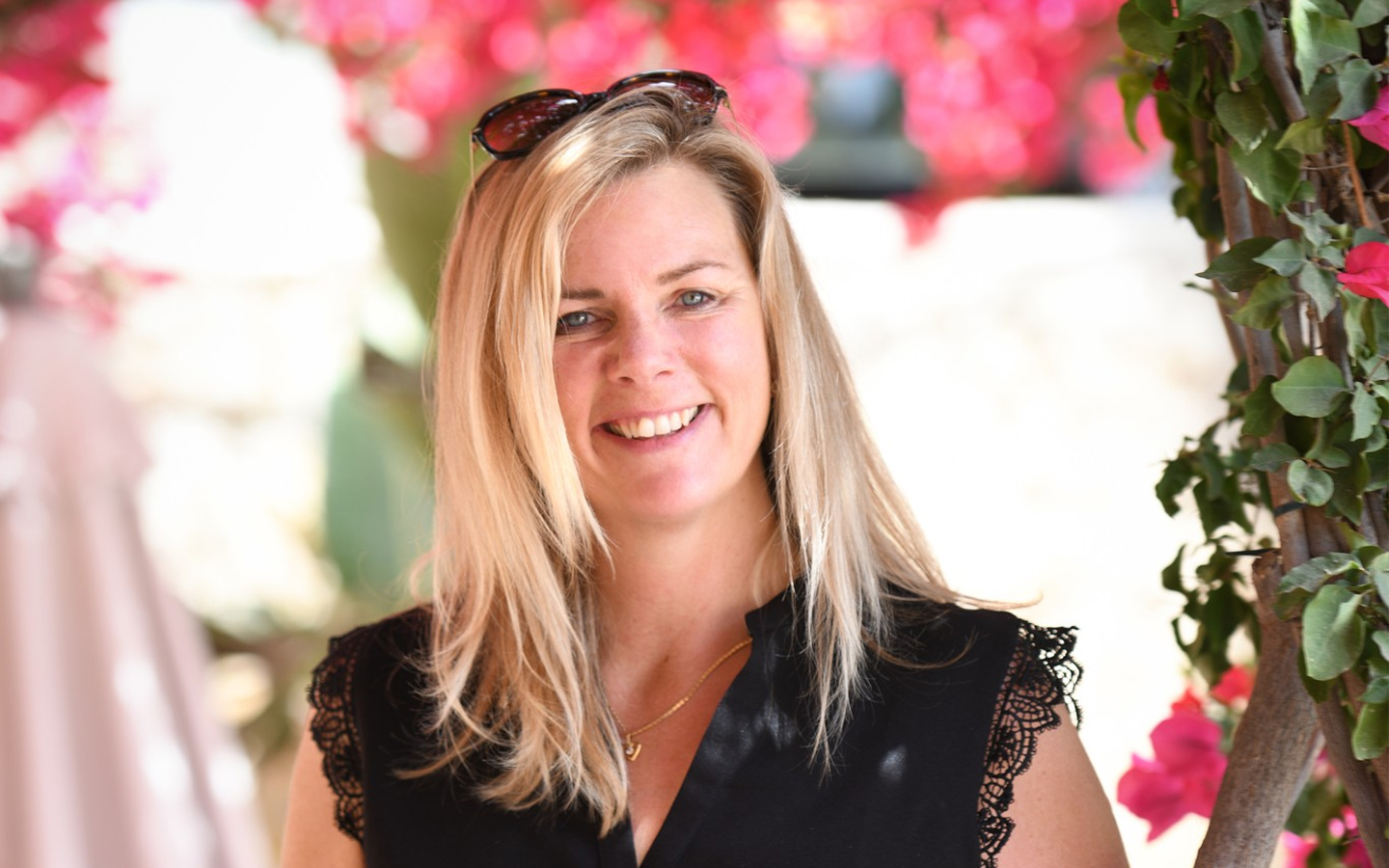
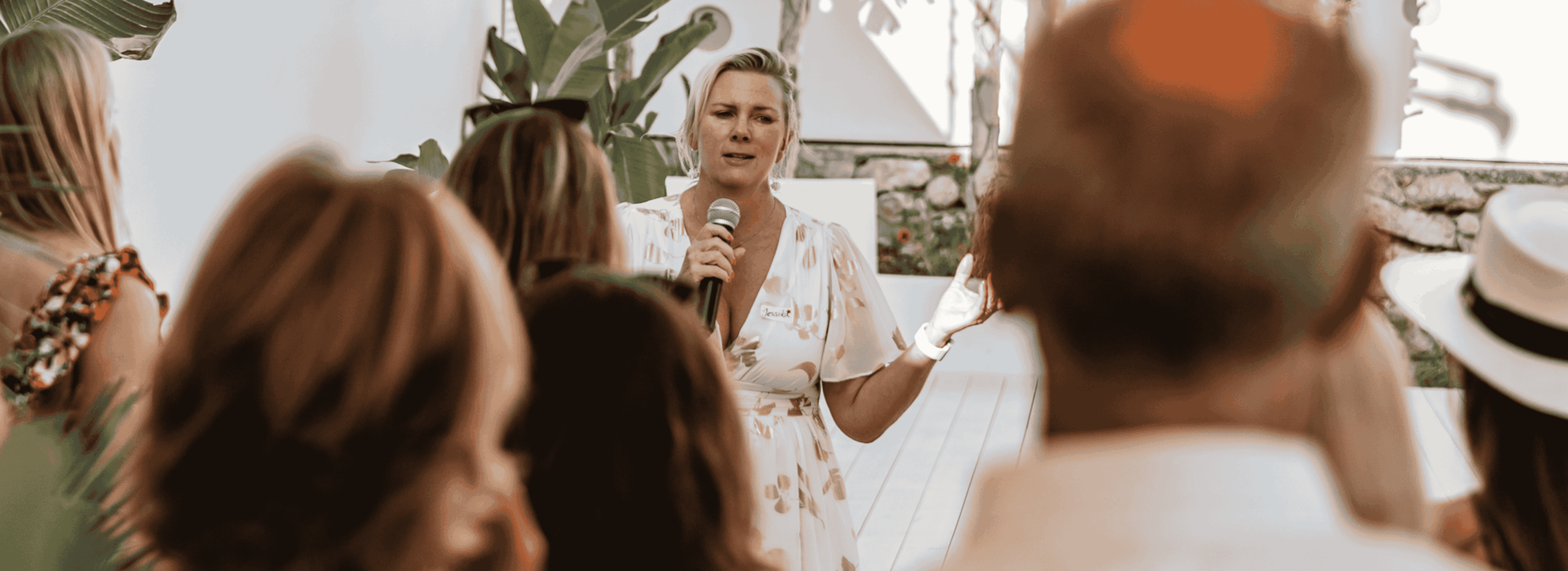
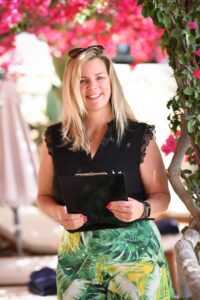
This is the landscape that Jessika Ekman understands well. Originally from Sweden, Jessika first came to Mallorca twenty-five years ago on a work contract. It was, as she describes it, the softest landing possible. Job, apartment, car all arranged in advance. She arrived, settled and stayed. She stayed, as she puts it, for love.
Jessika speaks five languages fluently, sometimes six depending on the day. Scandinavian languages, Spanish, English, Mallorquín and German. In her twenties she even worked in Greece and Thailand as a tour guide and picked up enough Greek and Thai to get by. She laughs when she recalls how good she thought her Spanish was, now she can now see how basic it must have sounded when she first arrived. But languages, communication and cultural fluency have become a throughline in her work and her way of building community.
For two decades she worked in tourism and events, observing the island’s professional rhythms from the inside. “If you want good working conditions here, you often have to create them yourself,” she says. “Opening your own business becomes the logical path.”
But striking out alone in Mallorca is not easy. The bureaucracy is complex, the cost of living is increasingly high, and it can take years to understand the island’s unwritten codes of trust and collaboration. What Jessika saw missing was not talent, nor ambition, but a genuinely international, accessible and supportive business network. Something rooted in Mallorca, but welcoming to the world.
So she built one.
A Community That Grew Quickly
Mallorca Entrepreneurs began as a Facebook group: a space for people to introduce themselves, explain what they do and, crucially, what they need. Within the first month, it became clear that the appetite for connection was much bigger than Jessika had expected. New arrivals, long-term residents, digital professionals, creatives, trades, consultants and specialists from thirty different nationalities joined. Many of them were running businesses alone, or trying to find suppliers, partners or clients. Jessika insists that every participant introduce themselves properly in the Facebook group. “Where you come from, what you do, and what you are looking for,” she says. “Tell your story. Let people know who you are.”
As the group grew, so did the need for something more structured. The people wanted a clearer network, introductions, referrals and offline connection. In November 2023, Mallorca Entrepreneurs became a formal membership organisation. Today, around fifty members are part of the network, with many more engaging in the open Facebook community.
“Three of the companies that joined last November are now fully booked for the next six to eight months,” Jessika says. “They cannot take on new clients. That is the power of visibility and connection.”
How It Works
There are two levels of involvement:
-
The Community (Facebook Group)
Free to join. Participants introduce themselves, ask questions, exchange information and look for collaborators. The emphasis is on transparency, generosity and usefulness. -
The Members Group (Paid Membership)
Members pay €350 per year (taxes included), which grants access to:-
Two in-person networking events each month
-
A private WhatsApp group for immediate referrals and requests
-
A business profile listed on the Mallorca Entrepreneurs website
-
Members-only workshops, hikes, gatherings and collaborative opportunities
-
Members have reduced ticket prices to the events, making the membership self-supporting for those who attend regularly.
Jessika pays close attention to the composition of the group. It is balanced deliberately. New sectors are being encouraged to join for 2026, including insurance, business banking, legal professionals, schools and specialist service providers. The aim is not to gather as many people as possible, but to build an ecosystem that works.
“We want real people,” she says. “People who are ready to show up, collaborate and follow through. People who do what they say they do.”
What Makes a Business Succeed in Mallorca
The island is full of creative people, but also full of challenges. Many new businesses fail in the first five years. The most common reasons include:
-
No clear business plan
-
Not understanding the seasonality of the island
-
Renting or buying a premises without checking licences
-
Renovating too quickly and too expensively
-
Hiring without understanding employment law
-
Underestimating the cost of living for staff
Jessika and the members of Mallorca Entrepreneurs see these patterns frequently. The value of the group is not only business referrals but shared experience. Quiet warnings. Local knowledge passed hand to hand.
And there is something else. Friendship.
“A lot of people work online now,” Jessika says. “We need human connection. Real human time. Dinners, hikes, collaborations and celebrations have sprung from the network. There is a warmth in the room at every event. People are genuinely pleased to see one another succeed."
Two Years In
The month of November marks the second anniversary of Mallorca Entrepreneurs. The group will gather at Palma Sport and Tennis Club for an after-work celebration. Informal, welcoming, alive. If you'd like to attend you can buy your ticket in advance here.
Meanwhile Jessika is already thinking ahead. “I want to grow slowly and intentionally. First to one hundred members. Then two hundred. And then we stop. That is the maximum. After that, we keep the quality high.”
The mission remains simple:
To create a place in Mallorca where entrepreneurial people can find clarity, support, collaboration and community.
Because building a life here is not just about weather and scenery. It is about people.
How to Join
Visit: mallorcaentrepreneurs.com
You can:
-
Sign up for the newsletter
-
View the list of current members
-
Check upcoming events
-
Join the Facebook community
-
Attend two meet-ups before deciding whether to become a member
You never know who you will meet.
And you never know where a conversation in Mallorca might lead.
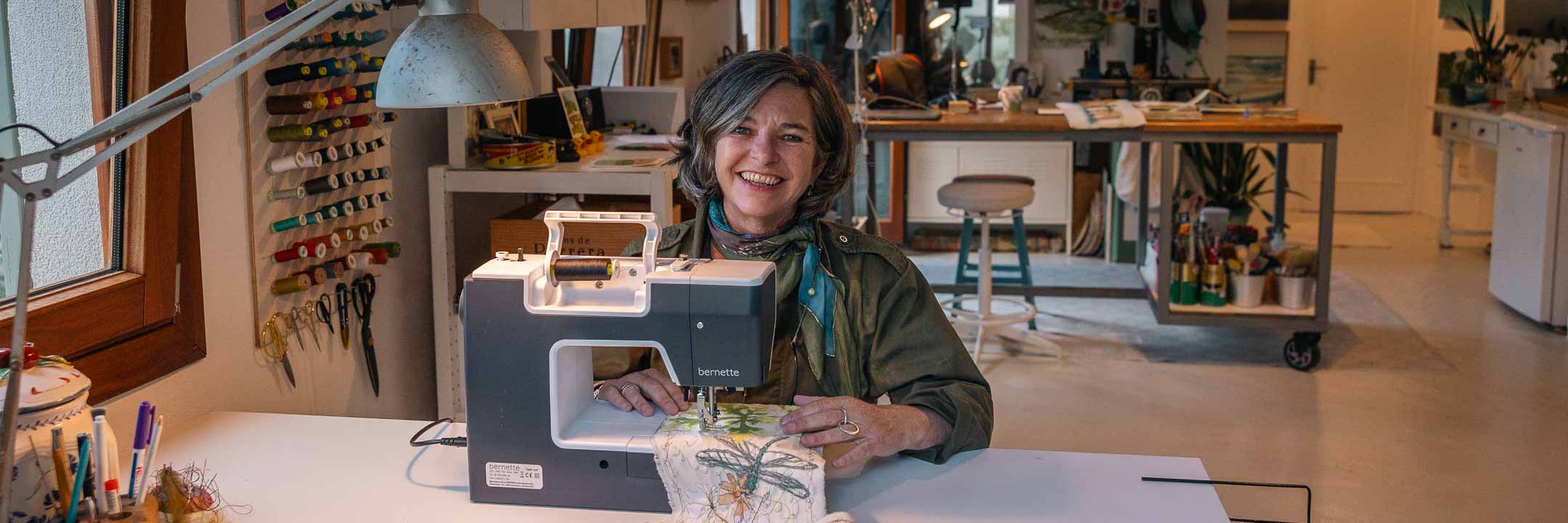
Rikki Tollenare, one line at a time...
There are people whose life stories feel like a map of tides: one decision leads to another, one place folds naturally into the next, and what looks from the outside like change is really a kind of returning. For Belgian artist Rikki Tollenare, the route back has always been water.
She was 29 when she crossed the Atlantic for the first time. The invitation came from a family friend who had taught her to sail years earlier in Belgium. “He said, ‘We could use you on the crew,’” she remembers. “And I just said, ‘Hell yeah. Sure.’” The boat was a 65-foot Van Damme, sturdy but far from sleek. They left late, stopped for repairs, waited for spare parts in the Canaries, and finally pushed across from Gibraltar. “We were not the best sailors,” she says, laughing. “But it was such a great trip. I absolutely loved it.”
That crossing opened something. More crossings followed. A stretch working on yachts as crew, then in the galley. A few years living by the rhythms of other people’s boats. And then, in 2003, a quiet landing: a rented flat in Palma, winter varnishing jobs, freelance cooking in the summers. A small life with room to grow inside it. The flat was bare. She could have filled it quickly, cheaply, without much thought. But she still had her paints. “I thought, I could go to Ikea… or I could make something myself,” she says. So her old materials, boxes of oil paints and glazes she had used while running a restoration studio in Belgium, were shipped across the sea in two heavy crates. The same crates, she notes, her parents had used when moving their belongings home from South Africa decades earlier. The story, even then, was layered.
The first canvases she made in Palma were abstract, textured, thick with brush marks and scraped-back layers. Soon, though, lived experience started to seep in. Masts appeared as lines. Hulls became forms. Then came torn book pages, sailing manuals, weather notes, old newspapers softened into translucency by oil. “The oil makes the paper transparent,” she explains. “So you see the print from the back, and the boat in front. Your eye’s not quite sure what it’s seeing. It feels a bit like memory. Two things happening at once.”
By 2014, the sea had moved fully to the centre of her work. She began painting waves, not singularly but as a commitment, a lifelong series, open-ended, unhurried: 100 Waves. “I’ve always worked in series,” she says. “You go deeper when you paint the same thing again and again.”
She has now reached wave number 91. The final nine will come when they are ready. There is no pressure in this. No sense of finishing for finishing’s sake. The Waves project is something like a tide in her work: reliable, cyclical, always returning.
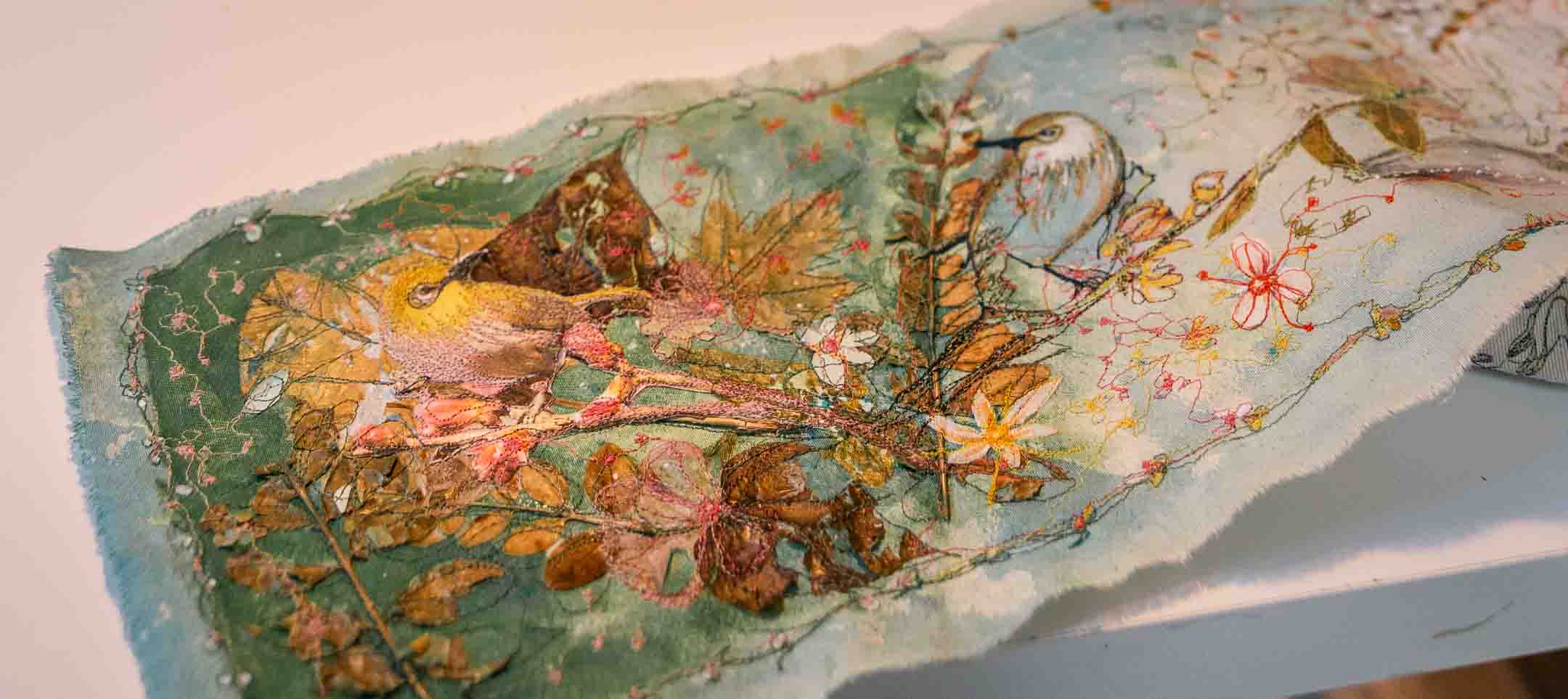 But last year, a different current pulled her in a new direction. She spent time living in the Netherlands, near a long river and a reed-fringed landscape that invited slow looking. Her studio there was a glass veranda: light-filled in winter, too hot to bear in summer. She drew constantly. She sketched on trains, in fields, and sitting by the water. During that period she joined an online course about sensing place, and something shifted. “I’ve always had a sewing machine,” she says. “My mum worked in batik all her life. So cloth was always part of the house. And one day I put paint and stitch together and it just… made sense.”
What followed is the body of textile work that has been capturing attention here in Mallorca. She works on vintage linens and tea towels, some acquired, many inherited. The fabric carries its own stories. Her needle draws fast, expressive lines: a cat waiting in the garden; stacked cookbooks; jars and utensils on a shelf; the rhythm of reeds along a riverbank.
She turns one over and smiles. “The back is all the decisions,” she says. “All the movement, without the tidying.”
The series known as Grandma’s Kitchen has struck an emotional chord with viewers. The cloth itself feels familiar — domestic, used, softened by time — and the stitched line feels like memory in motion. “How many conversations has a tablecloth heard?” she says. “When people see the work, they start talking about their own grandmothers. The room changes. And yes, it’s sentimental. But it’s also about safety. A kitchen can be a safe place.”
There is a quiet through-line in this work: her mother. Now in her late eighties, her eyesight is failing, but her decades of batik: dyed wax, fine cracking lines, deep colour over colour, live on in Rikki’s hands. “I sometimes cut pieces of her batik into my work,” she says. “It feels like adding a new verse to a song.”
Her sketchbooks from the Netherlands show a similar sensitivity. Pages of reeds, birds, bridges, repeated and rephrased. “The sound of wind through reeds is like a rhythm,” she says. “And then the birds and insects make their own rhythms inside it.”
She is clear that she is not trying to deliver a grand statement. “I’m not chasing a big message,” she says. “It’s curiosity. What happens if I dye this? What happens if I stitch that line in the air? If a piece carries some tenderness, that’s enough.”
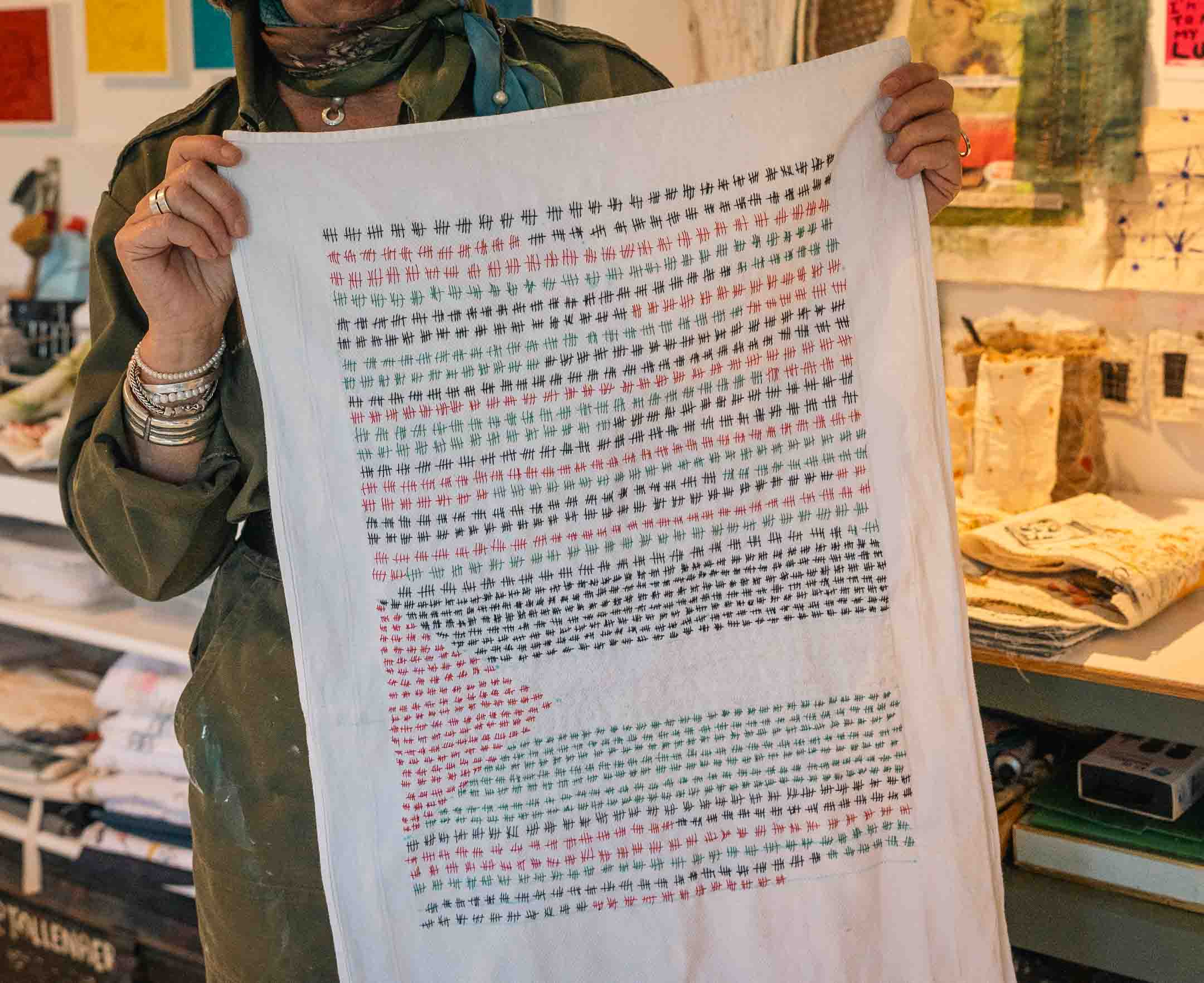 But the world seeps in. A textile piece responding to the war in Gaza sits quietly on a shelf. “I was so upset,” she says. “Sometimes you have to answer with your hands, even if it’s only a small voice.”
Her studio today is a lived space with a gigantic olive tree outside, cats weaving between fabric stacks, colour tests pinned to a repurposed canvas, a slightly stern stitched self-portrait made by looking directly in the mirror: “You can see the concentration,” she laughs. “I didn’t draw it first. I just went for it.”
She describes her discipline simply: “I don’t get bored. If anything, I have too many ideas.”
Sailing, cooking, painting, stitching: each taught her something different. “Sailing taught me to look for a long time. Cooking taught me colour and instinct. Painting taught me patience. Stitch taught me to listen. It’s all attention.”
Then, gently: “And it’s all home. Water, thread, paper, I recognise myself there. One line at a time,” she says. “That’s how you cross an ocean. And that’s how you make a life.”
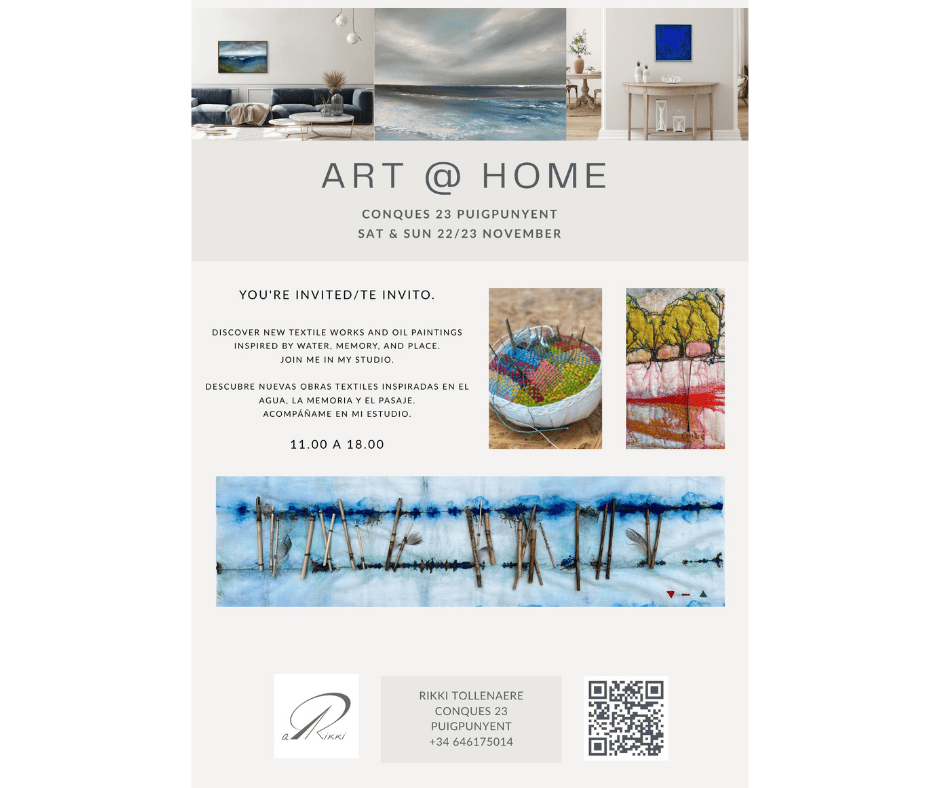
Rikki is hosting an Art at Home event in November. Everyone is welcome to attend.
We Are Not From Here: The Stand-up Show Speaking to Mallorca’s Newcomers, Long-timers and In-betweeners
When you move to Mallorca from somewhere else, there is a moment that arrives quietly. It often comes months or years after the move, once the practical things are settled and the novelty has worn off. It is the moment you realise you now live between worlds. You are not entirely from there anymore, but you are not fully from here either. You translate yourself in small ways every day. You learn when to hold back, when to speak up, when to laugh even though you are not entirely sure you understood the joke.
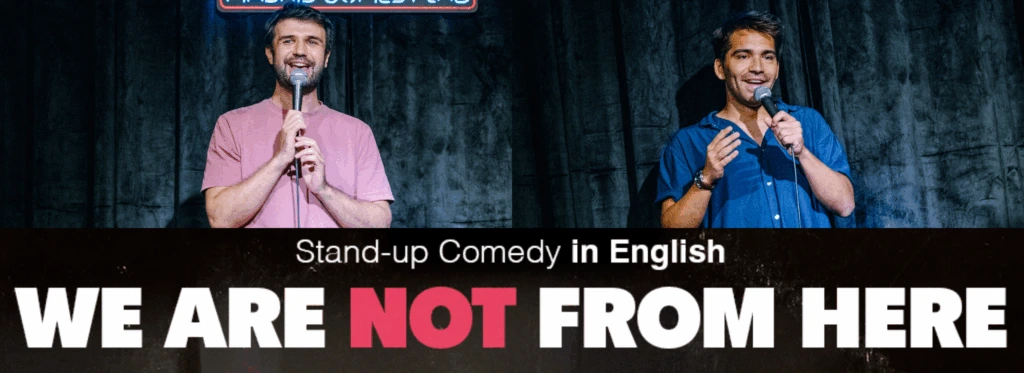
It is this space that comedians Xavier Jallois and Abdullah Osturk walk straight into with their tour We Are Not From Here. The show has toured across Spain to full houses, bringing together people who have, in one way or another, experienced the quiet strangeness of being new somewhere. And, it has sold out so quickly in Palma that a second performance has had to be added.
Xavier grew up in Chile. He is half French and moved to Spain six years ago to study film. Abdullah moved to Madrid at twenty three from Turkey on a full scholarship to study economics and finance.
Neither man imagined that the core of their adult life would be telling jokes to strangers in a second language.
“It started very small,” Abdullah tells me. “I took some film and scriptwriting classes, and I tried an open mic in Istanbul just to see. I was terrified. But after that, I thought, okay, maybe something is here. Later in Madrid I found out there were English open mics. I went to one. Then another. Then I met Xavier.”
For Xavier the start was equally intense.
“My first open mic felt like jumping out of a plane,” he says. “The first part was just silence. Pure silence. Then the last joke worked, and the room laughed, and I thought, alright, we can try again.”
They laugh about this now, but anyone who has ever stood in front of a room and attempted to be funny knows that silence is not neutral. Silence is brutal. Which is why many comedians describe the early days as a kind of compulsion. You only continue if something in you needs to.
Madrid Comedy Lab
Madrid does not have the obvious international comedy identity of Berlin or Amsterdam. Yet something has been building.
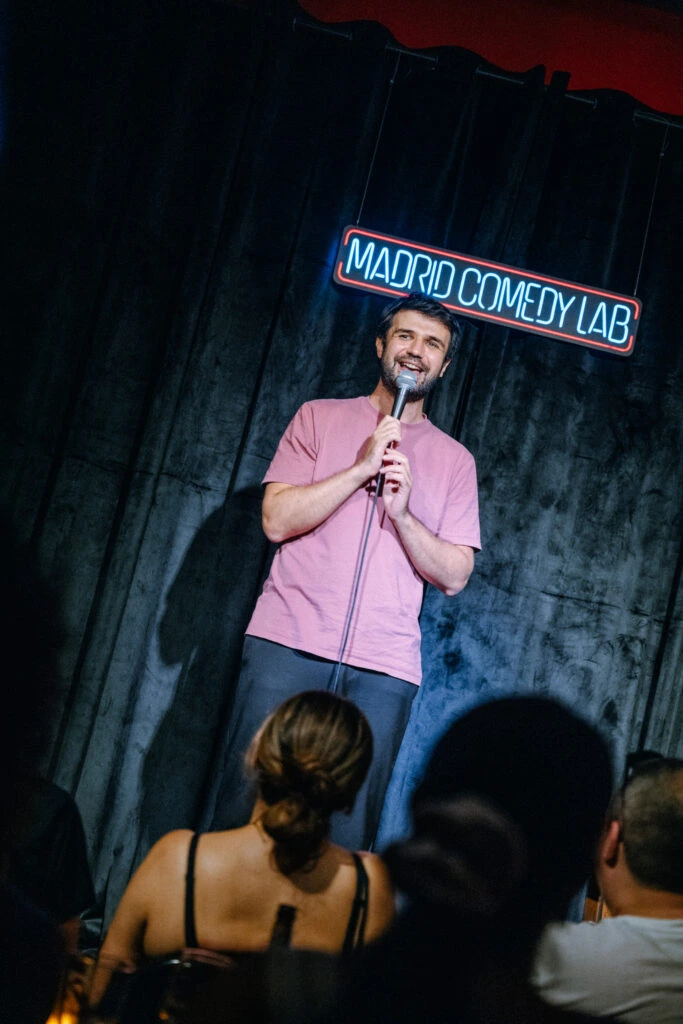
Abdullah and Xavier are the guys behind the Madrid Comedy Lab, the city’s only dedicated English language comedy club. It has become a cultural hub for people who communicate in English but live in Spanish: Students. Newcomers. Brits. Americans. Italians. Germans. Latinos who find Spanish comedy culturally familiar but linguistically difficult. Spaniards who prefer the rhythm of English humour. People who simply like to laugh.
“It is one of the most diverse rooms I have ever seen,” Abdullah says. “You have people from everywhere. And everyone is there because they want to understand each other.”
Xavier agrees. “There is something beautiful when a group of people who have nothing in common except that they did not grow up here all sit in a room and laugh about the same thing.” This is where We Are Not From Here was born. Not from a theory. Not from a grand idea. From small rooms where people needed somewhere to belong for an hour.
The Show: Big Feelings, Small Observations, Shared Recognition
They talk about arriving in Spain and not understanding social rules. They talk about language misunderstandings. They talk about restaurant bills that take twenty five minutes to arrive. They talk about being called guiri. They talk about the elasticity of time in Spanish culture. Abdullah laughs when this comes up. “I still struggle with punctuality here,” he says. “If I go to meet a lawyer at ten, and they arrive at eleven, I think, what is happening? But then at the same time, I sit in the sun with friends on a terrace and I think yes, I understand this life.”
Xavier adds, “The pace of life here is different. It can be frustrating. But it can also be good. You learn something about yourself in it.”
The humour is observational, but beneath it is something more vulnerable: the realisation that belonging is not something given. It is something negotiated.
Mallorca, perhaps more than many places in Spain, is a patchwork of identities. People come here to start again, to retire, to escape, to work a season, to raise families, to reinvent themselves. Some stay six months. Some stay thirty years. Some never learn Spanish. Some become more Mallorcan than the Mallorcans.
But almost everyone remembers the moment they realised they were not from here either.
The show does not patronise this. It does not suggest that everyone should blend in perfectly. It suggests instead that belonging is made in moments: shared laughter, shared awkwardness, shared understanding.
And it does something else. It opens the door to talking about immigration, culture and identity without turning those conversations into conflict.
“Comedy can say things that are hard to say directly,” Abdullah explains. “If I make a joke about people assuming I am Moroccan because of my name, it is funny, but it is also saying something important about how people see each other.”
Xavier puts it more simply: “If it is funny, people laugh. It does not matter where you are from. Laughter is universal.”
 The Reality of Touring: Self-Produced, Self-Run, Always Adapting
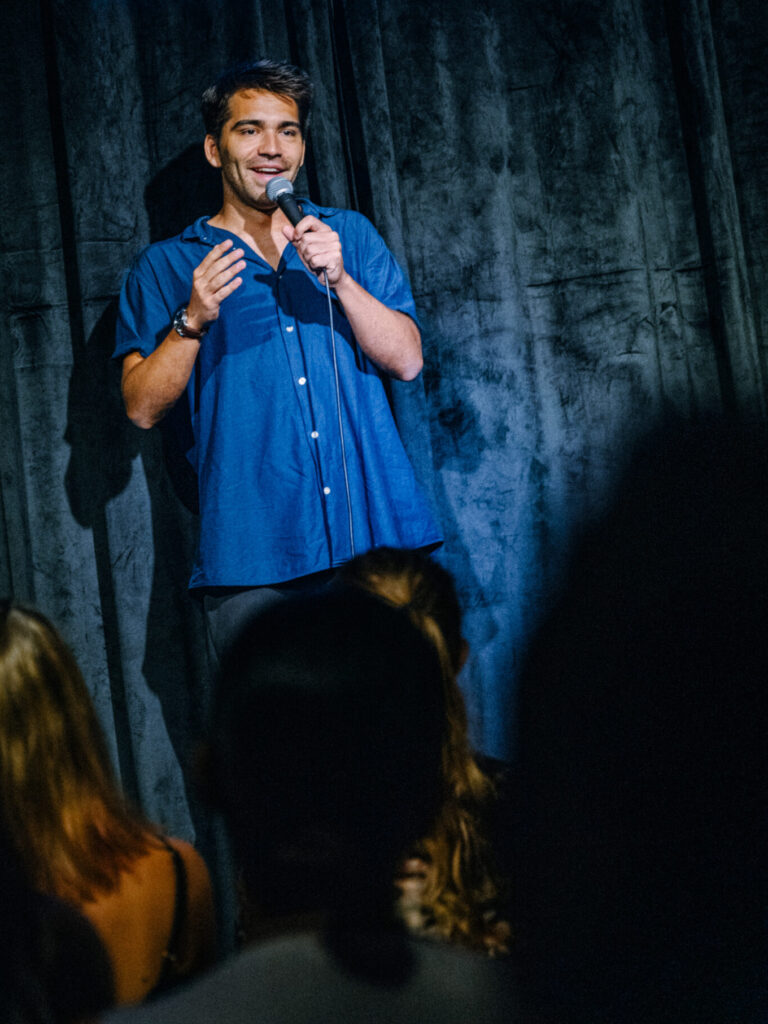
There is no glamorous tour machine behind this show. They are doing everything themselves.
“We handle ticketing, promotion, posters, everything,” Abdullah says. “And then we also have to deal with the venue. Sometimes the lighting is strange. Sometimes there is background noise. Sometimes the sound system is not right. You have to adapt to each new room.”
Comedy is especially sensitive to environment: a slightly too bright room. A ceiling that is too high. Chairs arranged too far back. These things change the rhythm of laughter. Every night is a recalibration. But Mallorca has welcomed the show strongly. The first date in Palma sold out swiftly enough that a second earlier show was added.
“There is something very warm about performing to people who also moved,” Xavier says. “They understand the feeling. You do not need to explain everything.”
So Who Is the Show For?
Not just foreigners. Not just expats. Not just English speakers.
“If you have ever felt like you do not fully fit in,” Abdullah says, “then the show is for you.”
If you have lived here long enough to have a favourite bakery but still occasionally mispronounce a word, the show is for you.
If your children correct your Spanish. If you love Mallorca but sometimes need to breathe. If your family back home does not understand your life here. If you have tried to explain sobremesa to someone and realised there is no direct translation.
This show is for you.
As Abdullah said as the interview drew to a close:
“Come. Laugh. It is not about where you are from. It is about being human in a place that is new. That is something we all understand.”
Tickets available now. https://fienta.com/we-are-not-from-here-live-in-mallorca-2
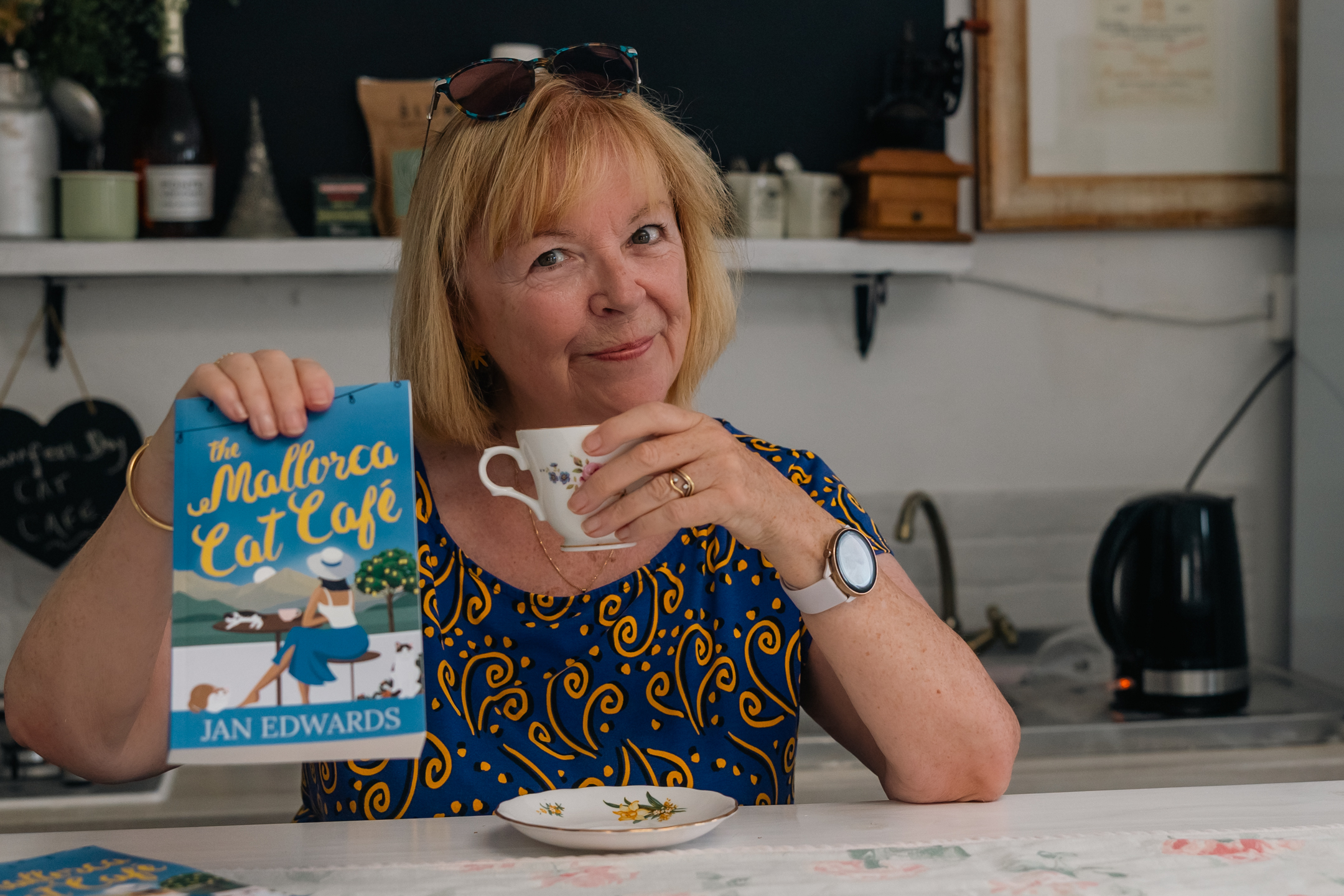
Mallorca Insider: Journalist & Author Jan Edwards
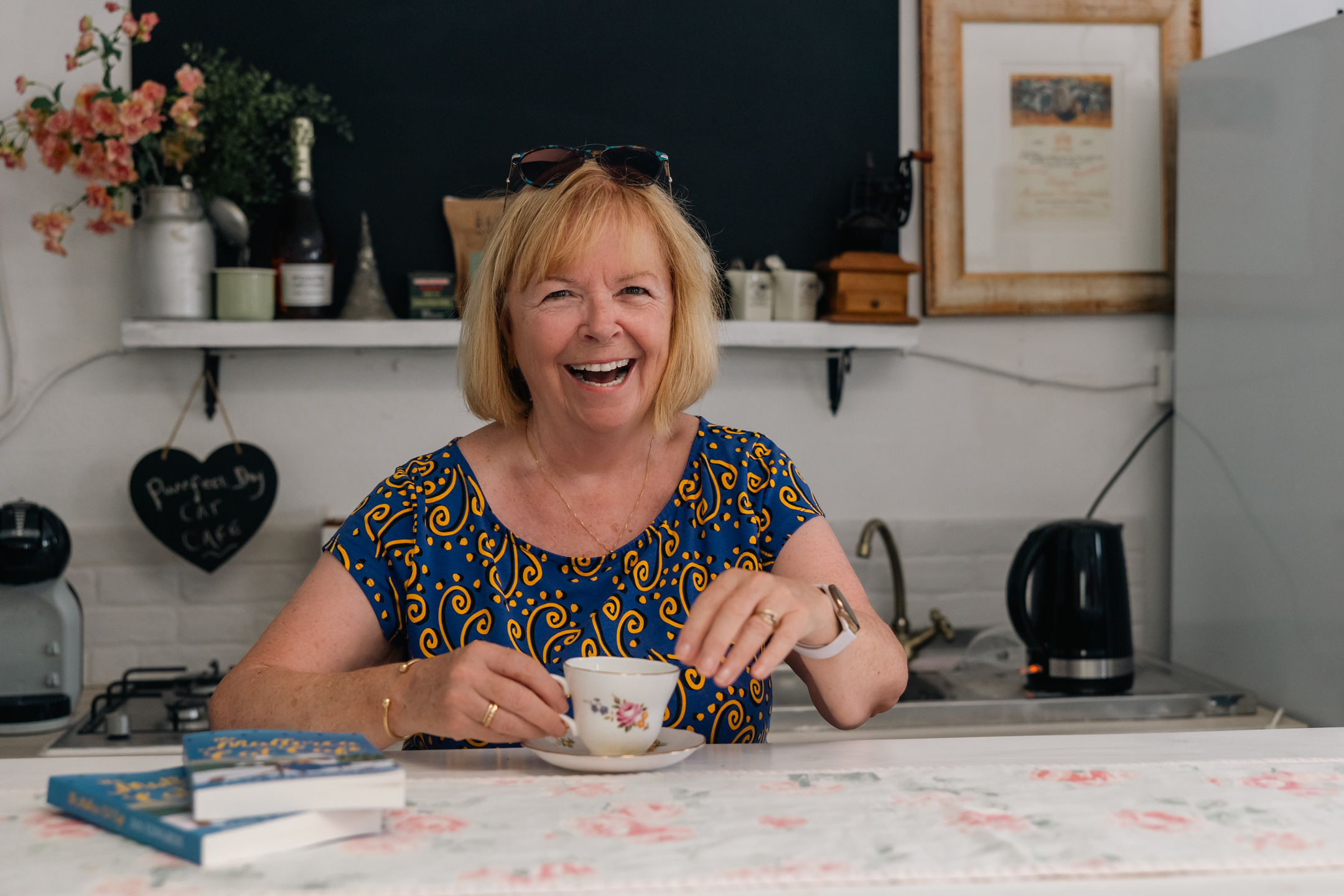 Mallorca Insider: Journalist & Author Jan Edwards
When Jan Edwards traded her BBC radio studio for a remote finca in rural Mallorca, she didn’t just swap alarm clocks for almond blossoms — she found a whole new life story worth writing about.
A former broadcaster in Oxfordshire and Birmingham, Jan moved to Mallorca in 2004 with her partner Richard, settling in the quiet countryside between Manacor and Colònia de Sant Pere. Their home is off-grid — powered by solar panels, supplied by tanker-delivered water, and always shared with a community of adopted cats. “It was a huge change,” Jan admits, “but one I’ve never regretted.”
Over the last two decades, Jan has become a familiar voice and pen in Mallorca’s cultural and gastronomic scene. She’s written for magazines, newspapers, and radio, and runs two popular blogs — Eat, Drink, Sleep Mallorca and Living in Rural Mallorca. She also presents food and hospitality features for Mallorca Sunshine Radio, and in 2021 published her debut novel Daughter of Deià. Its sequel, The Mallorca Cat Café, followed in 2025, with a third book and a memoir in progress.
Mallorca Then & Now
“When we arrived, the food scene was limited,” Jan recalls. “Today there’s an explosion of creativity — from Michelin-starred chefs like Tomeu Caldentey, who famously gave back his star, to rural vineyard restaurants such as Terragust, where everything on the menu is grown on the island.”
She recommends Palma gems like Vida Meva (a three-course menu del día for €23), Italian hideaway Gigi’s, and neighbourhood favourites on Carrer Blanquerna — streets where locals still outnumber visitors. Beyond the capital, Jan is an enthusiastic champion of the east coast: Peruvian flavours at Mamacona, rustic tradition at Ca’n March in Manacor, and hidden wine experiences like Mesquida Mora’s El Cub in Porreres.
A Writer’s Discipline
As a novelist, Jan is refreshingly honest about the challenges of self-publishing: “Writing is discipline and consistency. But marketing your own book is harder than writing it.” She laughs, but she means it — and her advice to would-be authors is simple: get it down on the page first, edit later.
Why She Stays
After 21 years, Jan’s affection for Mallorca hasn’t dimmed. “It’s the peace, the beauty, the rhythm of rural life. I’ve swapped high heels for walking boots and don’t miss a thing.”
Whether she’s blogging about local gastronomy, reporting for radio, or quietly crafting her next book, Jan Edwards is a reminder of what Mallorca looks like when you go beyond the resorts: authentic, rooted, and deeply inspiring.
👉 Hear Jan’s full story — including her restaurant and hotel recommendations — on the Mallorca Insiders podcast. [Link to episode]
From BBC to Rural Mallorca: Insider Jan Edwards on Food, Wine, and Writing
When journalist and broadcaster Jan Edwards swapped her BBC studio in Oxfordshire for a rural finca between Manacor and Colònia de Sant Pere in 2004, she had no idea just how much Mallorca — and her own life — would change.
More than 20 years later, Jan has become one of the island’s most respected voices on food, wine, and rural living. She’s written extensively for magazines and radio, created the blogs Eat, Drink, Sleep Mallorca and Living in Rural Mallorca, and published two novels in her Daughter of Deià series, with a third on the way.
In our latest Mallorca Insiders podcast, Jan opens up about:
-
Life off-grid — solar panels, water deliveries and septic tanks
-
How Mallorca’s food scene has evolved from limited local options to Michelin-starred experiences
-
The art (and discipline) of writing — and why marketing your book is as tough as writing it
-
Insider restaurant and hotel recommendations that reflect authentic Mallorca
Jan’s warmth and wit make this episode a delight — whether you’re an aspiring writer, a foodie, or just curious about life away from the tourist trail.
👉 Listen to the full conversation here
.
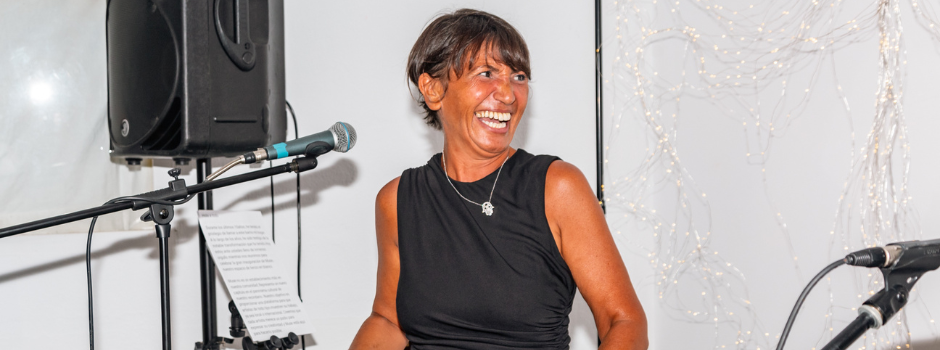
Meet Saloua Sfar: The Woman Behind A Ma Maison and Muse in Palma
Living and working in Mallorca: Saloua’s story
Many people dream of moving to Mallorca for the sunshine, the sea, and the slower pace of life. For Saloua Sfar, that dream began by chance. Born in Tunisia, she was working on a private yacht when she first docked in Palma. She had never even heard of Mallorca before — but something about the island reminded her of home. The mountains, the coastline, the light.
“My heart was captured,” she explains on the Majorca Mallorca podcast. “It felt familiar, but freer. I decided to stay.”
Like so many expats, Saloua built a life here from scratch. But instead of slipping into the background, she became one of the island’s most distinctive restaurateurs.
A Ma Maison: more than a restaurant in Palma
Tucked away in Santa Catalina, A Ma Maison is not a typical restaurant in Mallorca. Saloua does everything herself: cooking, serving, managing, even washing dishes.
“It’s my house,” she says. “If you don’t have at least two hours to spend, don’t come. You are not just coming to eat — you are coming for an experience.”
Her food reflects her roots, blending French, Tunisian, and Mediterranean flavours. There is no fixed à la carte. Instead, guests are invited to trust Saloua’s creativity. Vegan? Gluten-free? Not a fan of fish? She adapts every menu to suit.
Dinners cost around €40 — a fraction of what is now typical in Palma. “I decided to earn less but give more,” she says. “I want everyone to feel welcome.”
Cooking with love, heritage and a little surprise
A Ma Maison has become known for its warmth and authenticity. Saloua’s mother still brings spices from Tunisia every year, keeping traditions alive. One speciality is her fennel herb couscous — a vegan dish unique to Tunisia.
And every November, as the restaurant marks its anniversary, regulars gather for something special. Saloua cooks with her mother, and sometimes steps out from the kitchen to perform a belly dance. “I love surprising people,” she laughs.
This year marks the 14th anniversary of A Ma Maison, a milestone few small restaurants in Mallorca reach.
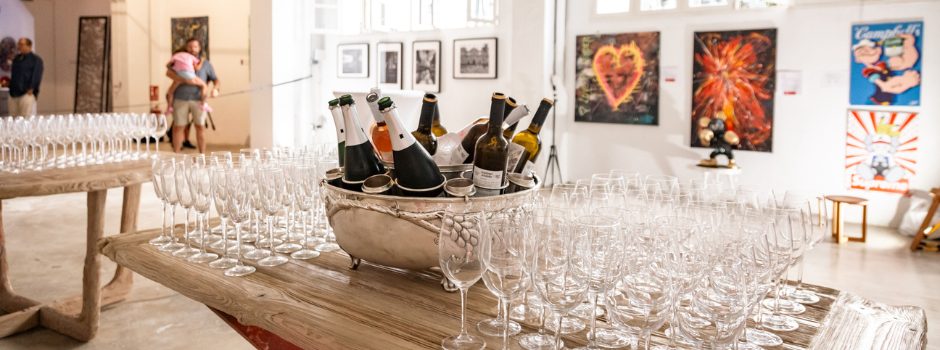
Muse: a cultural space in Palma’s Foners neighbourhood
Two years ago, Saloua expanded her vision with Muse, an event and cultural space in Palma. Located in Foners, a neighbourhood that is rapidly transforming, Muse is like a blank canvas.
“It’s a big white box,” she says. “It can be anything — a gallery, a performance space, a yoga studio, a wedding venue. Palma needs places like this.”
Already Muse has hosted fashion shows, drag nights, jazz concerts, art exhibitions, and community celebrations. Saloua often reduces rates or gives the space for free if she believes in the cause. “Life is not just about money. It is about giving and receiving.”
Muse celebrates its 2nd anniversary on Sunday 7 September, with an afternoon of music, art and dance. The event is free and open to everyone.
Hospitality with kindness
Beyond food or events, Saloua’s philosophy is clear: hospitality is about kindness. “People don’t go to a restaurant because they are hungry,” she says. “They go to be happy, to be seen, to be cared for.”
That belief is what makes her one of Mallorca’s most unique voices in food and culture.
Listen to the Majorca Mallorca podcast
In our latest episode of the Majorca Mallorca podcast, Saloua Sfar shares her story of living and working in Mallorca, building A Ma Maison, and creating Muse. She talks openly about the challenges of rising costs, her love of cooking, and why kindness matters in hospitality.
👉 Listen to the full podcast episode here
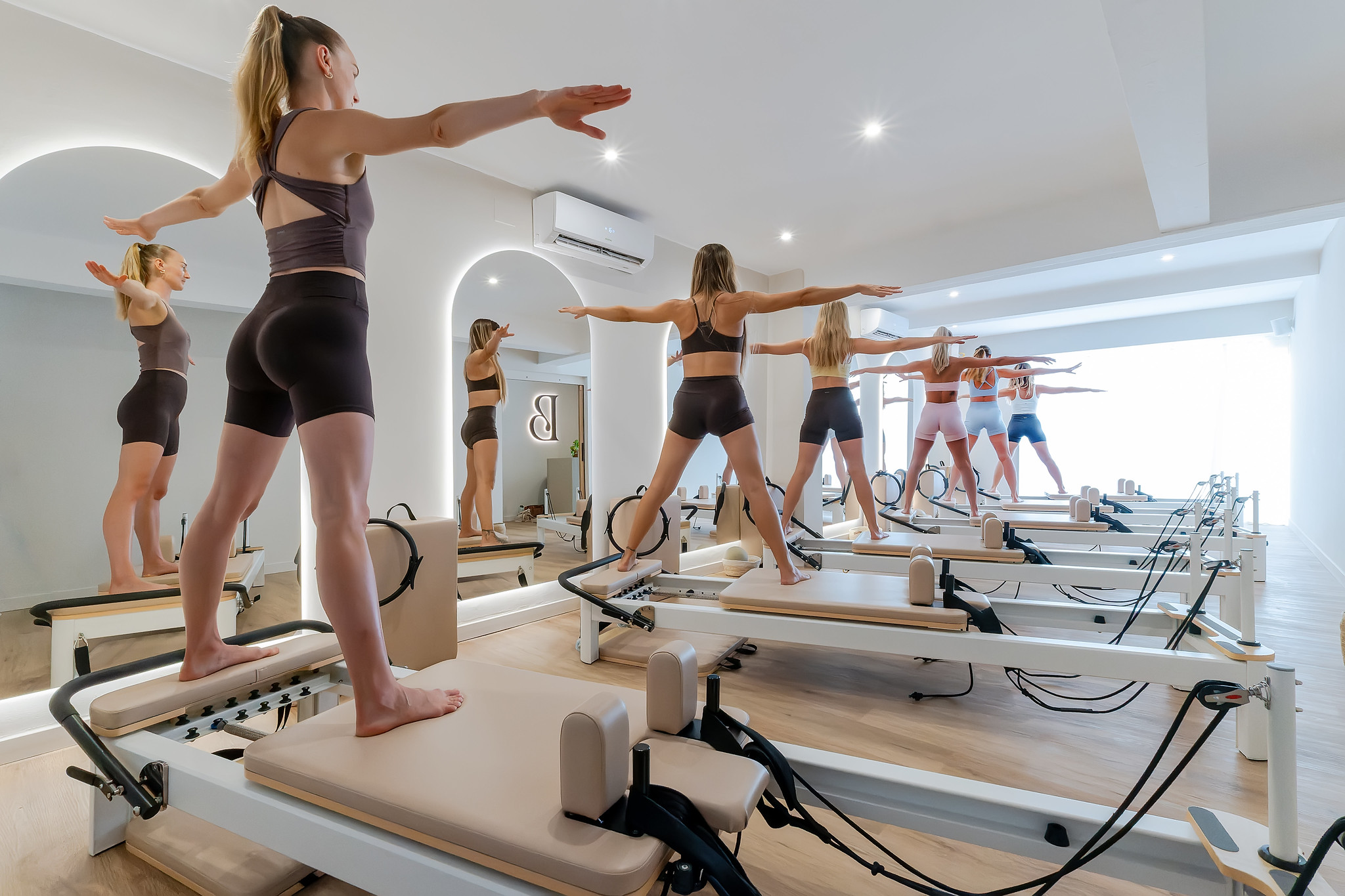
Balu in Santa Catalina: Palma’s newest reformer Pilates studio
Balu in Santa Catalina: Palma’s newest reformer Pilates studio
Looking for a studio where you can move, connect, and feel part of something new? Balu in Santa Catalina has quickly become one of the most talked-about additions to Palma’s wellness scene.
Behind the project is Alix, who moved to Mallorca a couple of years ago with a love of Pilates and the determination to build a space that felt welcoming, stylish and fun. During lockdown she had fallen for the mindful strength of Pilates and yoga, and the idea of creating her own studio grew from there.
What is reformer Pilates?
Reformer Pilates uses a moving carriage on a frame, with springs to add resistance, a footbar and straps. You can lie, sit, kneel or stand on it, performing slow, controlled movements that combine strength and stretch. It’s low impact but surprisingly intense — Alix jokes that shaking is part of the process. It builds core strength, improves posture, and works muscles you didn’t know you had.
Who can it help?
People turn to Pilates for all sorts of reasons. It’s known for supporting:
-
Back pain and posture issues from desk work or weak core muscles
-
Neck and shoulder tightness
-
Hip, knee and ankle stability for runners, cyclists and active people
-
Balance and coordination (especially useful as we age)
-
Post-natal recovery and pelvic floor strength
-
Mobility and flexibility after injury or inactivity
It’s not a medical treatment, but many physiotherapists recommend it as part of long-term recovery or maintenance. At Balu, small class sizes mean beginners and regulars alike get tailored guidance.
What you’ll find at Balu
Balu keeps groups small — just six reformers — so teachers can give everyone personal attention. The timetable mixes full-body classes with sculpt sessions targeting core, legs and glutes. Early starts are already proving popular: 06:30 classes bring in yacht crew and commuters, and from November the team plans to add a 06:00 option.
Alix wanted every detail to feel thought through, right down to the small pieces of kit. “When you pick up a ball or hand weight it should match the room, not fight it,” she says. Newcomers are encouraged to arrive ten minutes early for a quick tour of the reformer so the first class feels less daunting.
A space to connect
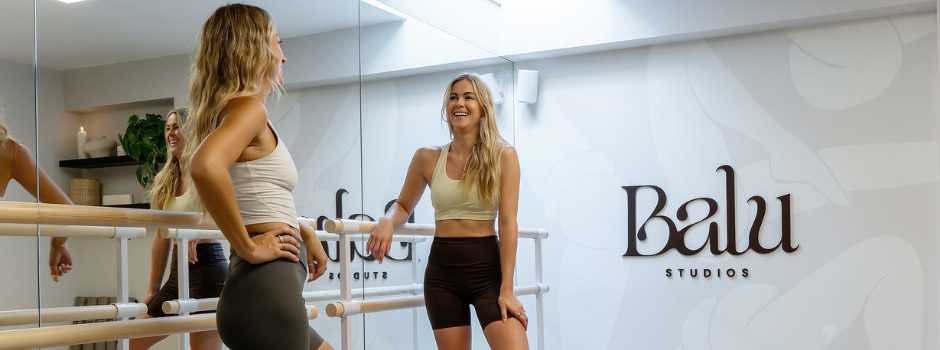
The studio isn’t just about exercise — the sofa area encourages people to sit, chat, and share a juice or water after class. In just a few weeks, Balu has become a place where strangers connect and new friendships spark. “Mallorca is incredibly open,” Alix says. “People actually follow up on a coffee.”
What’s next
Plans include monthly workshops and eventually pop-up reformer retreats using portable machines at venues around the island. With boutique fitness booming in Palma, Balu is already carving out its own niche: practical schedules, warm welcomes, and a focus on building community.
A bold new arrival
Opening a business here takes courage, but Alix has stepped forward with vision and energy. Balu brings something fresh to Santa Catalina — a place where movement, design and community come together. It’s early days, but the momentum is real, and we can’t wait to see how this young studio grows.